Abbott’s New $5, 15 min COVID Test A Game Changer for Symptomatic Patients
Abbott’s New $5, 15 min COVID Test A Game Changer for Symptomatic Patients
August 27th, 2020
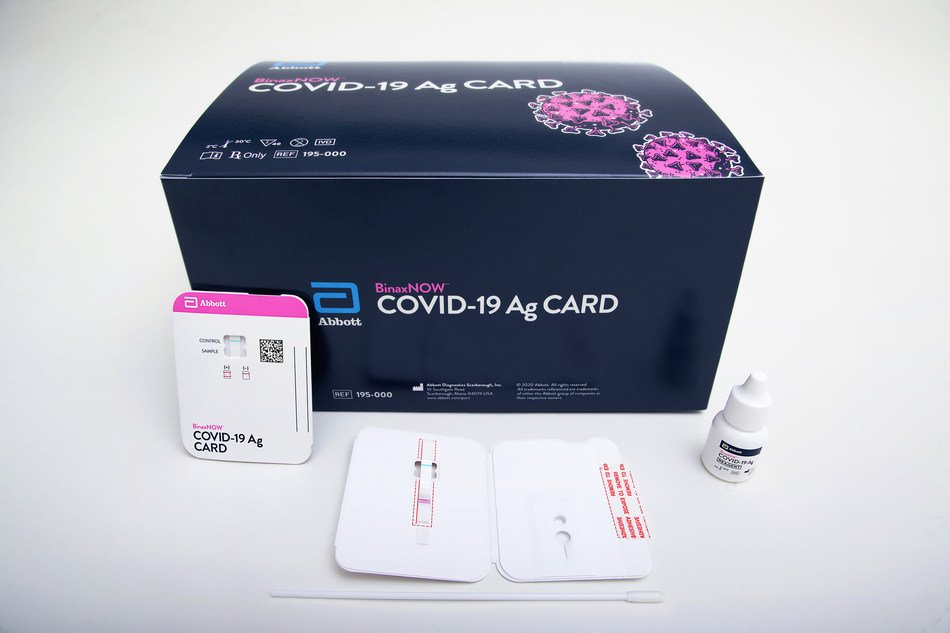
Medical device company Abbott received emergency use authorization from the FDA for a COVID-19 test called BinaxNOW. The BinaxNOW returns results in 15 minutes and does not require any lab-equipment. This makes the test ideal for use in non-lab setting such as nursing homes, schools and other areas with high-risk populations. The test will cost $5.
However, the test is only sensitive enough to accurately diagnose symptomatic coronavirus patients (those demonstrating a high viral load) within 7 days of experiencing symptoms. BinaxNOW will not work on asymptomatic patients demonstrating no COVID symptoms.
The test requires a prescription and healthcare provider (doctor, nurse, pharmacist etc.) to administer it.
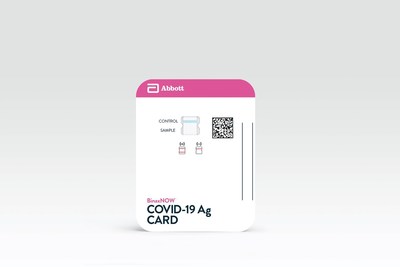
BinaxNOW Positioned as The New Standard in Testing Symptomatic Patients
Abbott’s test uses nasal swabs to detect protein antigen from COVID-19 patients experiencing symptoms.
Being able to screen asymptomatic patients will require a test with higher sensitivity to be able to pick up COVID signals in the body. Currently, lab tests are the best measure of sensitivity for asymptomatic patients, but these tests are burdened with wait times lasting several days to get results. Rapid antigen tests, like Abbott’s BinaxNOW, screen symptomatic patients and give results within 15 minutes.
Abbott has also released a phone app called NAVICA, which allows people to display their BinaxNOW test results. The NAVICA app will display a temporary digital health pass that is renewed each time a person is tested through their healthcare provider together with the date of the test result. Organizations will be able to view and verify the information on a mobile device to facilitate entry into facilities.

Shipping 50 Million Tests/Month; US Government Stocks Up On Supply
It is estimated that currently about 1 million tests are being shipped per day. Abbott will ship tens of millions of tests in September, ramping to 50 million tests a month at the beginning of October. The US Federal government is set to announce a deal with Abbott to acquire 150 million BinaxNOW tests.
Technology Almost Ready for Decentralized COVID Screening
A decentralized COVID screening model is needed to be able to test at home, at work and in any community setting. This next step will require a test that does not require any lab equipment, a prescription, nor administration from a medical professional. Abbott’s BinaxNOW signifies that such technology is almost ready. It brings us one step closer to this decentralized model for COVID-19 screening. The next generation of testing will need to be able to test asymptomatic patients also.