Select Page
Omicron Variant Prolongs Temporary Pause on FDA Inspections

Omicron Variant Prolongs Temporary Pause on FDA Inspections

Omicron Variant Prolongs Temporary Pause on FDA Inspections

Friday January 21st, 2022

  • Latest COVID variant, Omicron, is spreading so rapidly that the FDA had to put a pause on routine inspections since March 2020.
  • Inspections are an essential part of product development as they ensure safe, effective and quality products make it to the market.
  • FDA plans to extend the pause into February 2022 which will have a large impact on the availability of products for American and global consumers.

It should come as no surprise that the new COVID variant, Omicron, is sweeping the globe. The CDC just released data stating that over 95% of COVID cases in the US are caused by the Omicron variant. Though updated data is released on a daily basis, what we do know about that variant is that it spreads “more easily than the original SARS-CoV-2 virus”, according to the CDC.

The spread of Omicron has become so serious that the FDA declared they will be extending the pause on facility inspections. Originally announced back in March 2020, the FDA planned to temporarily postpone foreign surveillance inspections until April. Only those considered “mission-critical” would be considered. The decision was made to ensure the safety of their employees who would have to travel to conduct the inspections, as advised by the CDC. The FDA claimed they were confident in their ability to continue operations using alternate methods.

Postponed FDA Inspections Impact Millions of People & Trillions of Dollars Globally

It is important to emphasize the role that inspections play on public health. Each country has their own governing regulatory agency that oversees thousands of products. In the US, the FDA ensures that safe and effective products are developed for human use, including but not limited to drugs, medical devices, and biologics. The FDA regulates >$2.7 trillion in food, tobacco, and medical products. Put differently, FDA-regulated products make up 20% of consumer spending in the US. However, the FDA is not limited to products developed solely for the US. They are also heavily involved in the approval process globally. 

The FDA’s Surveillance Inspections are paramount to the safe and effective production of pharmaceuticals, vaccines, medical devices and more. Postponed inspections cause supply chain disruptions, empty shelves and pricing increases at the supermarket, hospital, or pharmacy.

FDA Inspections During COVID

The FDA released a report in May 2021, “Resiliency Roadmap for FDA Inspectional Oversight”. This document outlines the FDA’s involvement in surveillance inspections along with their plan to resume them as quickly and safely as possible.

Manufacturers of FDA-regulated products are responsible for ensuring the effectiveness and more importantly, the safety, of their products. They must follow Current Good Manufacturing Practices (CGMPs) outlined by the FDA. Periodic inspections are conducted to ensure that manufacturers are adhering to these regulatory requirements. Passing an inspection is paramount to producing a product fit for FDA approval.

If any discrepancies are found, the FDA enforces corrections that must be made, and manufacturers must comply to ensure the continuation of their production. If requirements are not followed, the FDA can take corrective action, or worse, halt the manufacturing of the product completely.

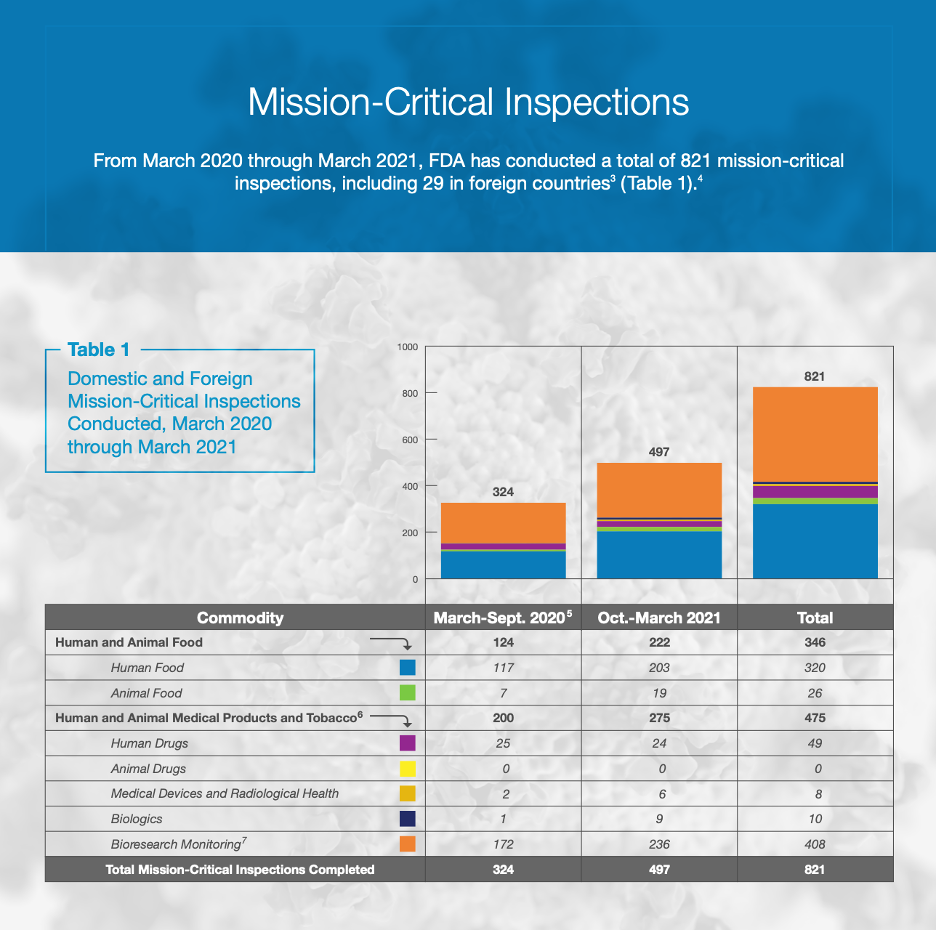
The roadmap published by the FDA includes charts outlining their progress from March 2020 to March 2021, when the changes to regular inspections were made. During that year, 821 mission-critical inspections were conducted by the FDA, 29 of which were in foreign countries.
The FDA released an update in November 2021 stating that of all the applications they have received since March 2020, 60 of them are delayed or on hold because of the halt on facility inspections. Of these 60, 4 of them have been identified as mission-critical and 90% require foreign inspections. The FDA plans to resume these foreign inspections once traveling has been deemed safe from the government.
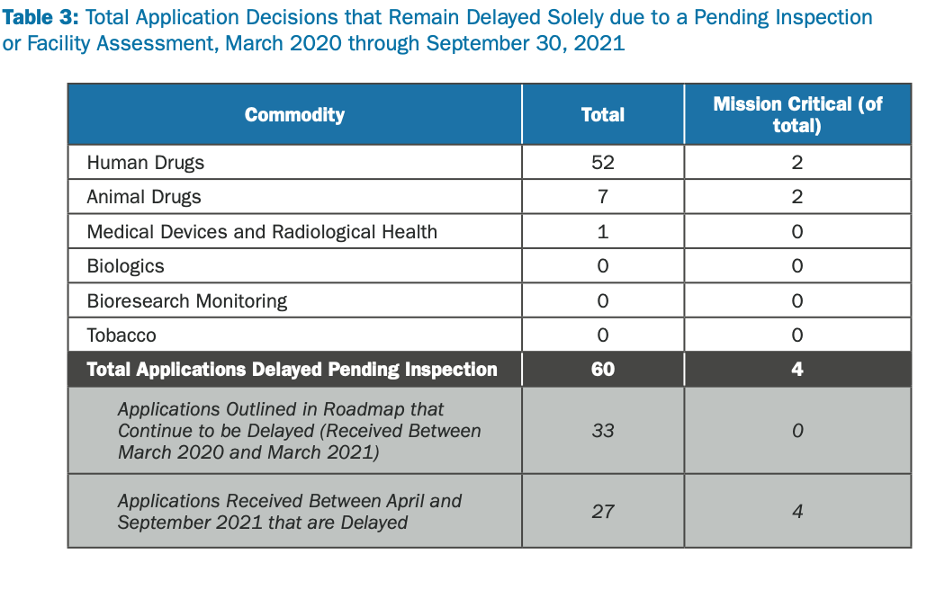
The latest update from the FDA, as of a few days ago, states that the temporary pause will continue into the beginning of February. They plan to continue foreign and domestic mission-critical inspections including remote surveillance.

The importance of periodic and continual inspections is critical for the manufacturing of safe, effective, and quality products. However, with the increased incidence of COVID variant infections, the FDA has no choice but to limit the number of in-person inspections and transition to mission-critical and remote alternatives. The FDA regulates billions of dollars’ worth in drugs, medical devices and more thus, only time will tell how these substitutions will impact the production, approval, and marketing of products for use by not only American, but global consumers as well.
Booster Shots Getting Regulatory Approval As Data Shows Protection Lasts Up To 8 Months

Booster Shots Getting Regulatory Approval As Data Shows Protection Lasts Up To 8 Months

Booster Shots Getting Regulatory Approval As Data Shows Protection Lasts Up To 8 Months

Friday August 13th, 2021

  • Israel, the first country to mass vaccinate its population, is starting to see a rise in COVID cases and has already approved a booster shot for those aged 50 and up
  • Studies show that immunity from vaccines can last up to 8 months
  • Since the start of vaccine rollout, the 8-month mark is right around the corner and approval of booster shots in other parts of the world has already begun

Since the start of the COVID pandemic, data regarding case prevalence and fatality have been closely tracked. Only in the past several months since vaccine rollout began, has data regarding vaccine efficacy and longevity been collected. The data shows that immunity doesn’t last forever.

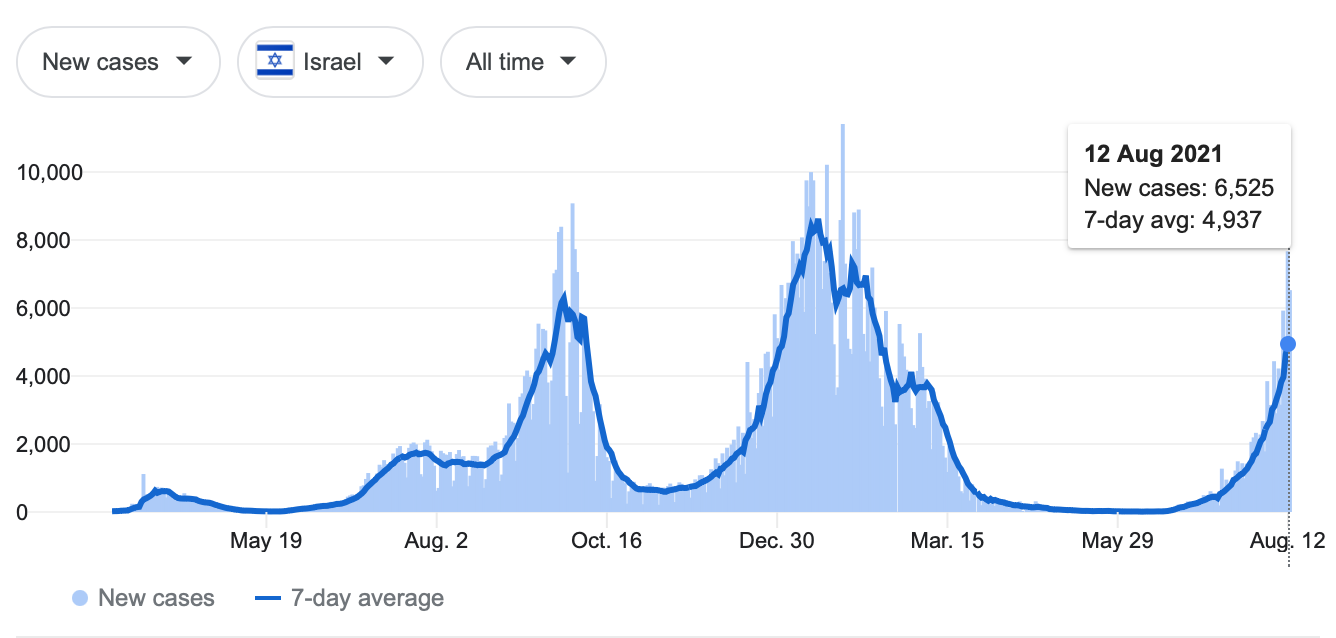
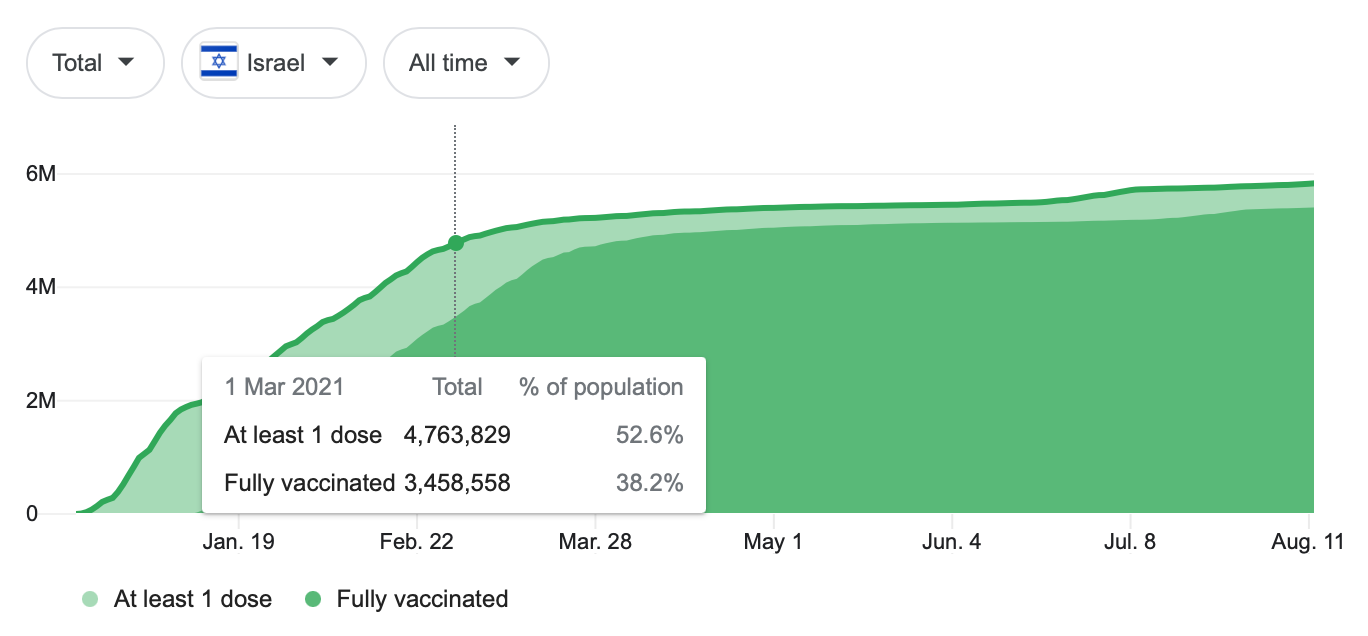
In this article we are going to look at Israel, one of the first countries to mass vaccinate its population and see how immunity has progressed over time. By March 2020, over 52% of the eligible Israeli population had received at least 1 vaccine dose and nearly 40% had been fully vaccinated.

Fast forward 5 months and there are reports out of Israel that vaccine efficacy is starting to wane. What was once 91% effective against severe illness after two doses, the Pfizer shot is now only 39% effective, according to Israeli data. Though the data claims that vaccines still protect against severe illness, Israel is already discussing the idea of widespread booster shots. The country recently approved booster shots for Israeli’s aged 50 and up. It seems only a matter of time before all Israeli adults will be approved for boosters.

Data Demonstrating Waning Vaccine Efficacy

A clinical study by Nature shows data that is in line with this info. It looked at 162 COVID symptomatic patients and found that neutralizing antibody response lasts up to 8 months.

It found that antibodies in infected individuals usually appear within the first 3 weeks after symptom onset. Specifically, IgG, a type of antibody, was found in 95% of COVID patients by the fourth week of symptom onset. IgG levels continued to rise until about three months after discharge from the hospital.

It is important to note the positive relationship between certain antibodies and COVID prognosis. The Nature study found that early presence of IgG and IgA (another type of antibody), are positively correlated with virus control and increased patient survival. Though neutralizing antibodies progressively drop after 5-8 weeks, they were still detectable for up to 8 months in the large majority of recovered patients.

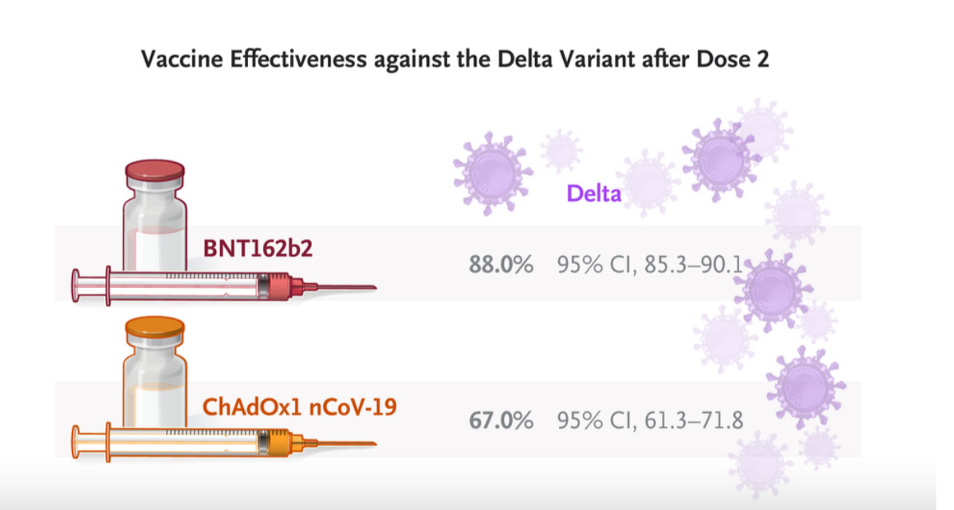
Not only is immunity starting to wane, but the rise in variants is also a cause for concern. The delta variant, already present in over 100 countries, has shown lowered efficacy in fully vaccinated individuals. One study found that with one shot of either Pfizer or AstraZeneca, vaccine efficacy went down to 30%. With two shots of Pfizer, efficacy was 88% and two shots of AstraZeneca it was 67%.

Being the first country to mass vaccinate, Israel will be a leader in showing the world just how much booster shots will be needed. The country is nearing the 8-month mark and not surprisingly, already has reports about diminishing antibodies, waning protection and the need for boosters.

Discussion regarding third doses have already begun in certain countries like the US, UK and Germany. The FDA already approved a third dose for those with compromised immune systems. Though this booster shot will be limited to the 2.7% of Americans estimated to be immunocompromised, health officials confirm that healthy, fully vaccinated individuals are adequately protected against hospitalization and death.

Yet, many do not want to take any chances with the increase in virus variants and have snuck getting a third shot. By using fake names or identification not linked to their original profiles, hundreds of people have gotten a third dose, though the exact number is hard to track.

Cases are starting to peak again and should continue as vaccine protection wears off and virus variants are on the rise. The US and other wealthier, highly vaccinated countries were about 3-4 months behind Israel in their vaccine rollout, meaning we should expect similar reports coming out of the West towards the end of the year.

The positive relationship between the early presence of neutralizing antibodies and better prognosis should be further explored. This relationship supports prophylactic vaccination but also brings up the idea of monoclonal antibodies (mAb). Introducing mAb at an early stage plays on the positive relationship mentioned above and can thus, lead to better patient survival and virus control. One thing is for certain though: boosters are coming.

Hospitals Pay Bills Through Predatory Tactics Against Their Patients

Hospitals Pay Bills Through Predatory Tactics Against Their Patients

Hospitals Pay Bills Through Predatory Tactics Against Their Patients

Monday July 19th, 2021

  • The blame for patient debts is usually put on pharma companies who work to develop drugs in order to keep patients out of hosptials
  • In reality, America’s top 10 hospitals hound patients with exorbitant bills in order to pay their own debts
  • High markups, insurance deductibles and predatory billing are the real suspects

The number of Americans filing for bankruptcy continues to rise with medical debts being the #1 culprit. On average, debts burdening the lives of Americans range between $5,000 to $10,000 and total to $46 billion, yet healthcare costs in the country continue to rise.

The blame is usually put on pharma companies for exorbitant spending. The development of a pharmaceutical drug starting at the research and development stage all the way to market sales is in the billions of dollars. However, pharma companies work to develop drugs to keep patients out of hospitals. Where patients get hit with outrageous bills is at the hospitals.

These are 3 tactics hospitals use to charge patients higher prices and drive their own revenue:

1. Drug Markups

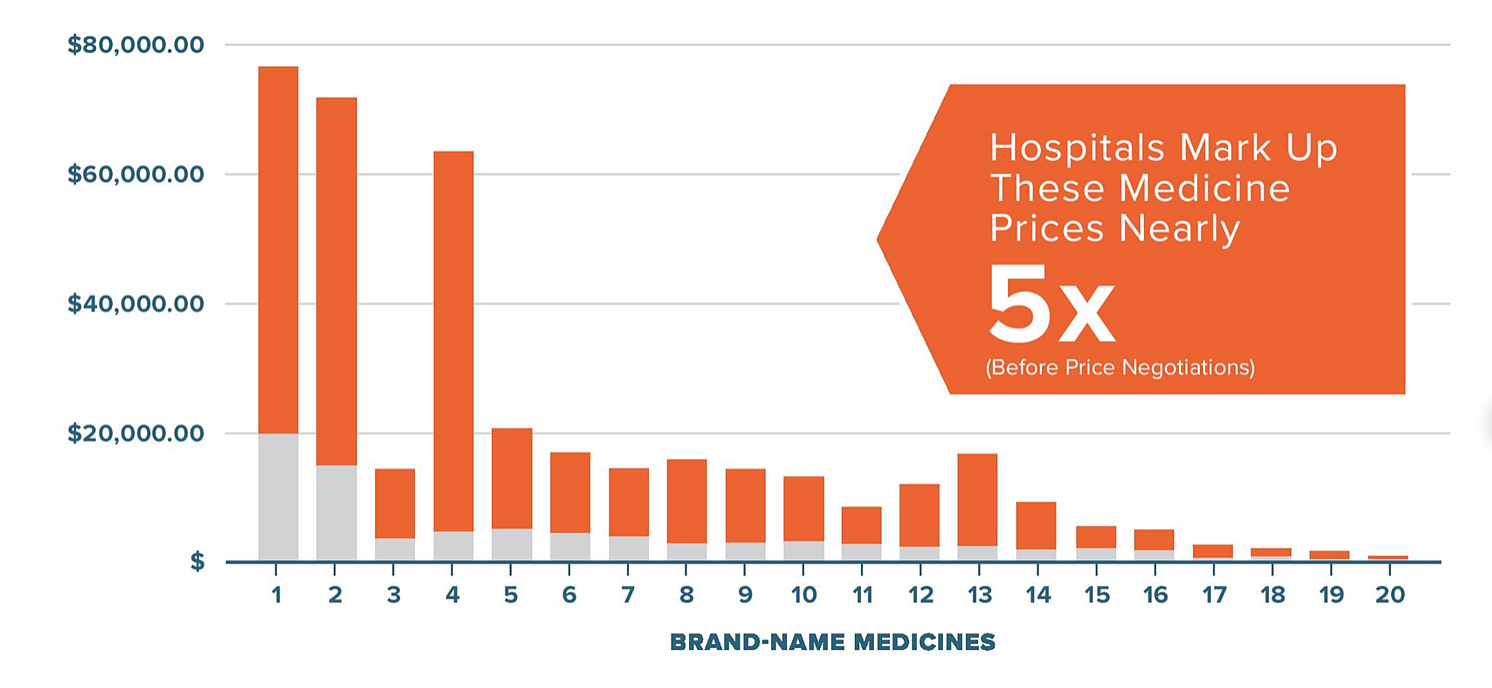
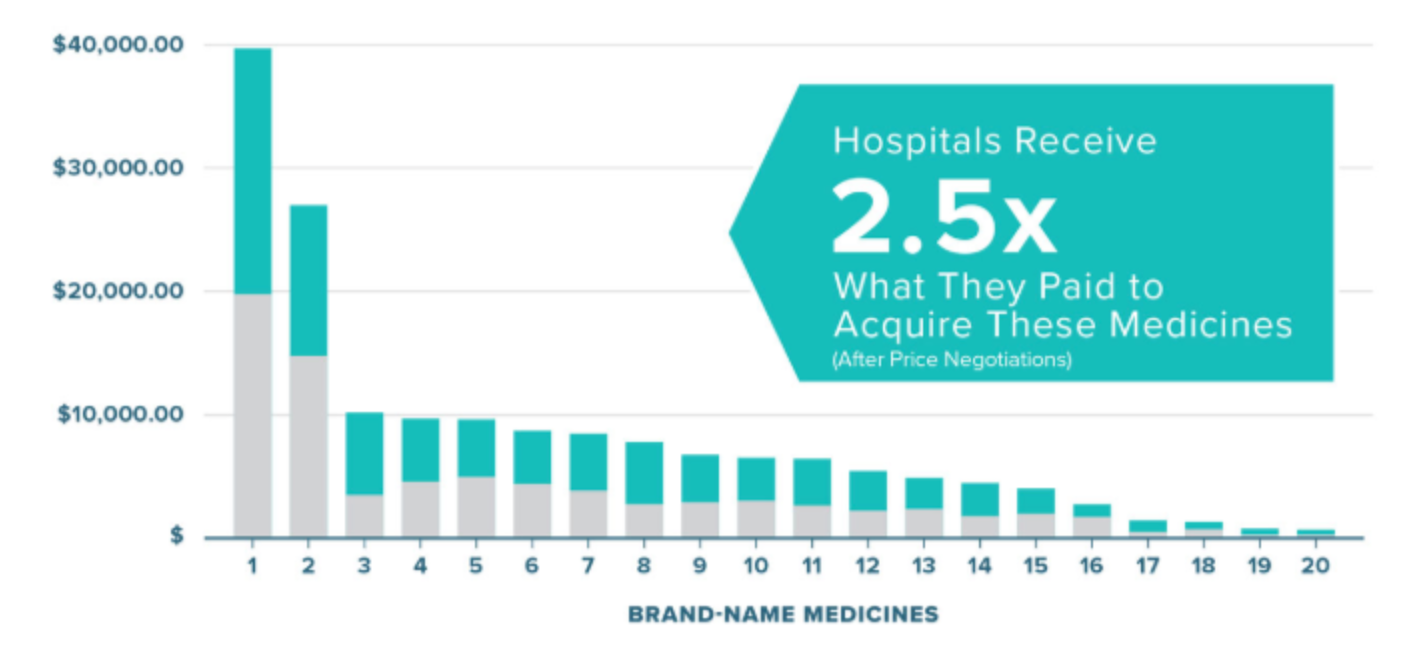
Hospital drug markups are usually 5x the price and result in hospitals recieving 2.5x as much in revenue as what the pharma companies make. Seems a little strange when the pharma companies are the ones researching and developing the drugs while hospitals only administer.

Below is a visual representation of the mark-ups that hospitals place on select brand-name medicines. As seen, in most cases, the markup is at least double.

One study by John Hopkins University was looking at the top 100 hospitals in the US (by revenue) and found that on average, the costs of service were 7x higher than what it actual cost the hospital. Though industry officials claim that the mark-up in prices is just a way they negotiate with insurance companies, a study conducted in 2017 showed that for every dollar added to the list price, the hospital makes roughly an extra 20 cents. This is doubled on the high deductibles that insurance companies charge. In 2019, the average single deductible was nearly $2000 and the family deductible was over $3500.

2. Lawsuits

With medical costs increasing exponentially, patients (usually low-income) are left with no choice but to go into debt. Much of this healthcare debt cannot be paid by patients, who then face legal recourse.

The John Hopkins study found that 26 hospitals filed nearly 40,000 lawsuit against their patients. Costs totalled to more than $71 million, with three main hospitals accounting for more than three-quarters of this amount.

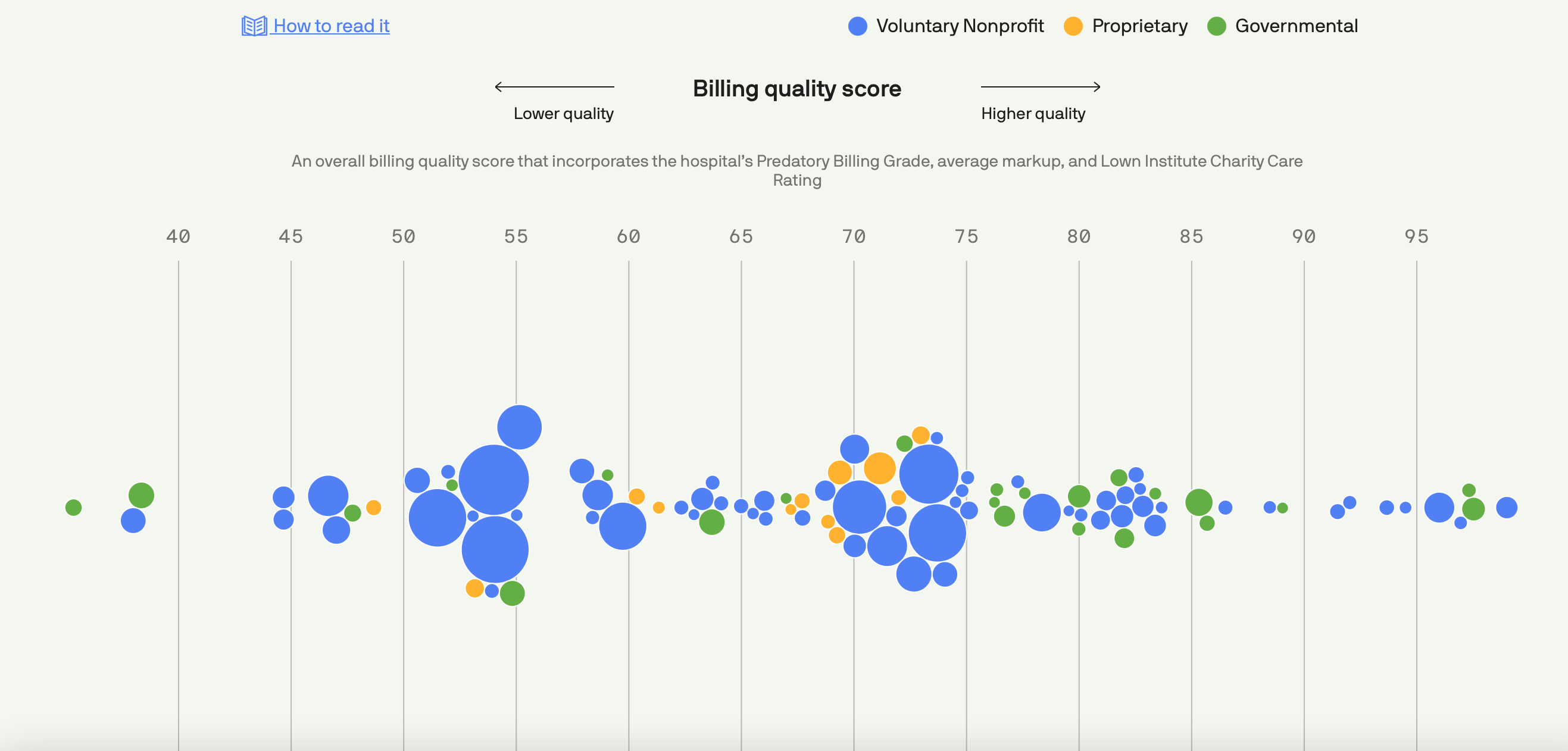
It is important to note that of these hospitals that are suing their patients, only one of them is for-profit while roughly two-thirds are non-profits. Seems a little ironic considering non-profits are exempt from paying taxes in exchange for free and affordable healthcare. And yet, patients are sued for nearly $2000, on average.

3. Predatory Billing

Millions of Americans are doomed by medical debt when they are charged for expenses they were unaware about, often referred to as “predatory billing”. This tactic is used by hospitals providing “in-network” health care provided by “out-of-network” health care providers.

Essentially, a patient can go to a health care facility that is included in their insurance network but get treated by a physician that is not in the network. All of this can take place without the patient knowing. This practice is different than balance billing, where the cost of care is not fully covered by the patient’s insurance plan.

This predatory tactic puts patients at financial risk unknowingly, especially since only 18 states are protected against such practices. A No Suprises Act bill was passed which is intended to protect patients against out-of-network costs, though not set to go into effect until January 2022.

Though lawsuits have decreased by 92% from 2018 to 2020 due to backlash against hospitals and a bill protecting against predatory practices is set to take place, patients are still suffering. Until 2022, Americans will be burdened with debt through predatory billing. Marked-up pricing and high insurance deductibles will continue to plague patients until the blame is shifted from pharma companies to hospitals and change is made. 

Vaccines Protect Against Indian Variant, Next Time We May Not Be As Lucky

Vaccines Protect Against Indian Variant, Next Time We May Not Be As Lucky

Vaccines Protect Against Indian Variant, Next Time We May Not Be As Lucky

Friday May 28th, 2021

  • A study found a COVID variant, B.1.617.1, first identified in India to be 6.8x less susceptible to antibody neutralization.
  • Despite this, mRNA-based vaccines still retain protective immunity against the variant.
  • Though we may have dodged a bullet for now, the susceptibility of viruses to mutations will likely require booster vaccines to keep up with emerging variants. 

The B.1.617.1 variant first identified in India has led to a distressing second wave, spreading to nearly 40 countries. This COVID variant has caused some alarm, but we will show below that the data to protect against the Indian variant is actually encouraging.

Antibody Levels Decline, But Still Provide Sufficient Protection

A US-based study investigated the role of neutralizing antibodies on the B.1.617.1 variant in those infected with COVID and those vaccinated against it.

To read more about how antibodies work to fight infection, read LifeScite’s Moderna and Pfizer Challenge the Status Quo with New mRNA Vaccine Approach.

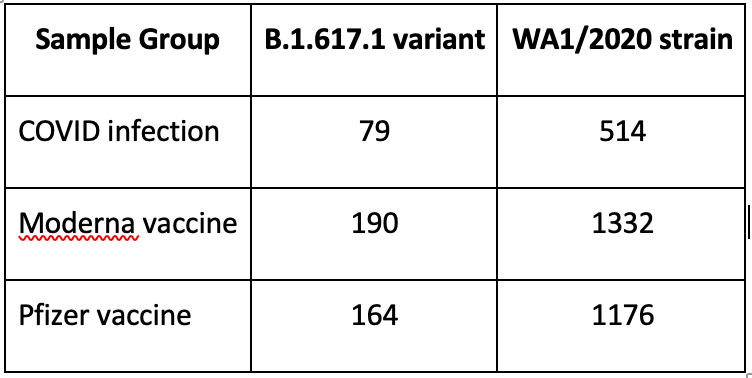
The study included 49 participants in total; 24 infected with COVID, 15 who had received the Moderna vaccine and 10 who had received the Pfizer vaccine. All 49 participants showed reduced neutralization against the B.1.617.1 strain. See the table below for a comparison of the neutralization, measured as a titre, against the B.1.617.1 variant versus the WA1/2020 strain (most prevalent US strain for which vaccines were developed).

As seen above, the antibody levels decline significantly in the Indian variant when compared to the “original” COVID strain. In theory, this should result in lower protection.

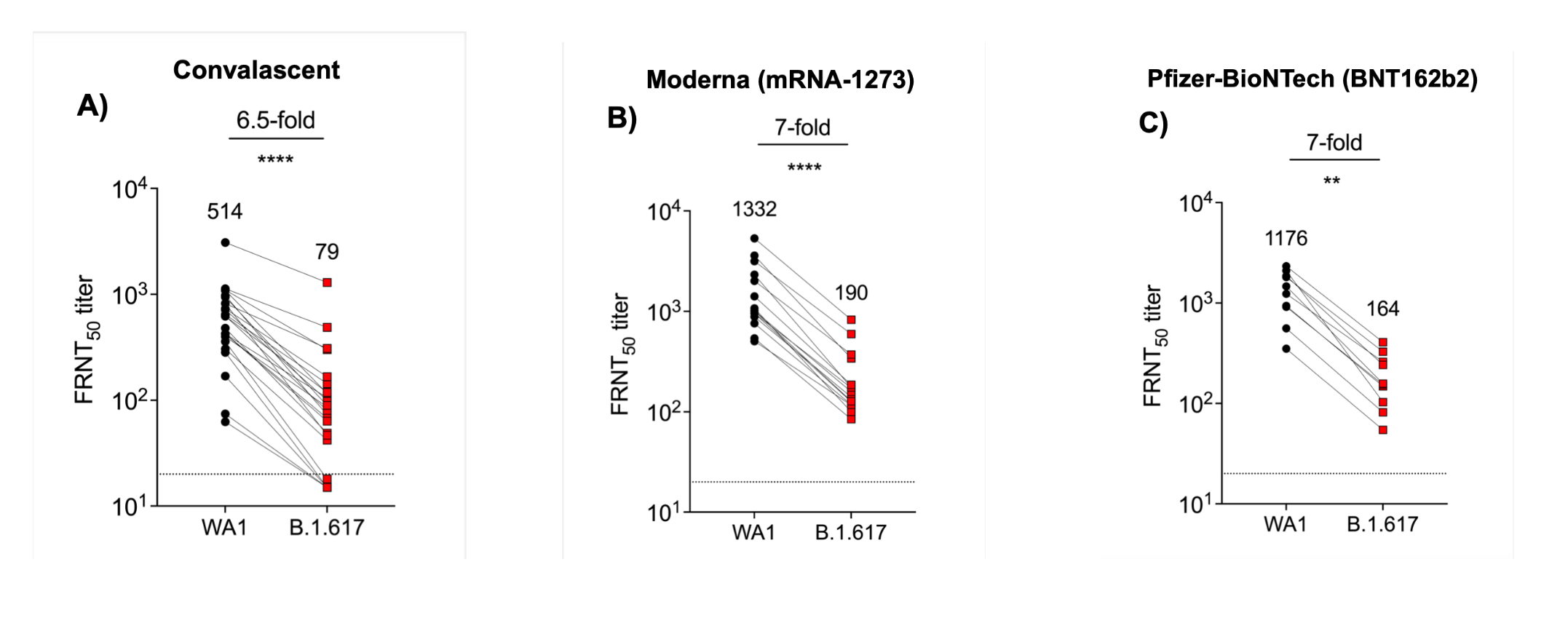
The images below also show the neutralizing antibody responses of B.1.617.1 compared with WA1/2020 after infection and vaccination.

As shown in the figures above, the neutralization titre of all three sample groups against B.1.617.2 were all significantly lower compared to WA1/2020. The B.1.617.1 variant is 6.8x less susceptible to neutralization from infected and vaccinated individuals. Although less susceptible, 79% (19/24) of infected individuals and 100% of vaccinated individuals were still able to neutralize the variant. This suggests that although with less strength, mRNA-based vaccines still retain protective immunity against the B.1.617.1 variant. 

Real World Data Supporting Antibody Data

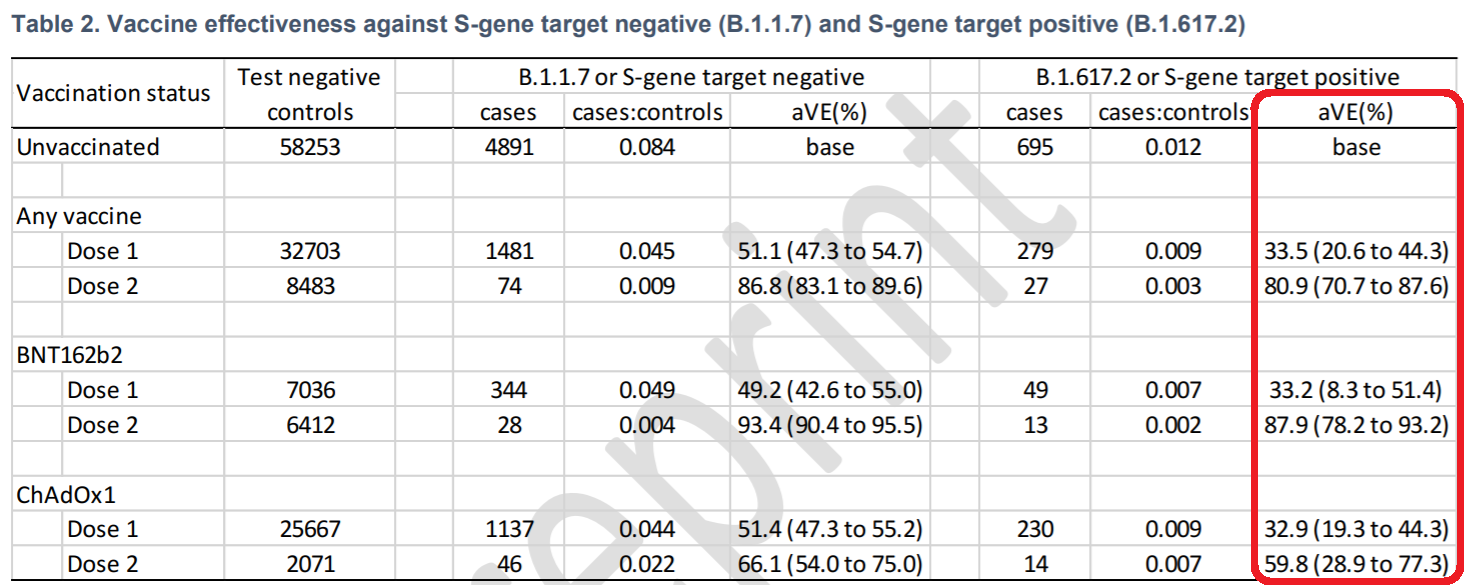
Public Health England released data on 12,675 sequenced COVID cases, of which 11,621 had B.1.1.7 detected (UK variant) and 1,054 had B.1.617.2 detected (Indian variant). According to the data, 1 dose of any vaccine provided 34% protection against the Indian variant, whereas 2 doses provided 81% protection. A breakdown of protection by vaccine is given below.

In a sample size of 1,054 cases, the Pfizer/BioNTech vaccine (BNT162b2) provided 33% protection after 1 dose and 88% protection after 2 doses. The AstraZeneca vaccine (ChAdOx1) provided 33% protection after 1 dose and 60% after 2.

Moderna also published a press release stating that their vaccine retained neutralizing activity against UK and South Africa variants. Despite a 6x reduction in neutralizing antibodies seen in the South African variant, the neutralizing levels were still well above that constituting protective immunity.

We May Not Be So Lucky With The Next Variant

For now, it seems as though we have dodged a bullet with the Indian variant. However, knowing the replicative nature of viruses and their susceptibility to mutations, we will likely need booster vaccines that keep up with the emerging variants.

Despite the looming threat of increasingly problematic variants, many still hope for the indefinite eradication of COVID through mass vaccination and safety protocols.  Science however, as we know, has no concern for the optimism of humanity.  For this reason, it is imperative that we prepare ourselves for an ongoing arms race with this virus.  With the ever-changing variants of COVID that continue to emerge from heavily populated areas like India, scientists now fear that the virus is here to stay, just like the flu.

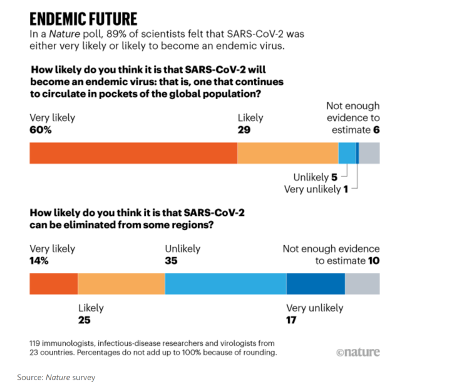
In a Nature poll, 119 immunologists, virologists and infectious disease experts were asked how likely they think it is that COVID becomes an endemic virus that stays with us infinitely like the flu.

60% stated very likely and 20% saying likely (6% saying not enough information). They were asked again, how likely they believe COVID-19 can be eradicated from some regions; the results are no more encouraging with a near 34% saying either likely or very likely and 52% saying unlikely or very unlikely (and 10% said not enough information).   These legitimate concerns shed even more light on the likely possibility for annual vaccinations for COVID-19. 

Politicians Have It Wrong: Drug Pricing Is Not The Problem

Politicians Have It Wrong: Drug Pricing Is Not The Problem

Politicians Have It Wrong: Drug Pricing Is Not The Problem

Wednesday April 7th, 2021

  • Politicians blame high healthcare costs on drug pricing when in reality hospitals are the biggest drivers.
  • This fallacy was demonstrated in a presentation from Massachusetts healthcare claiming drug spending grew 7.2%. The more relevant figure showed drug spending grew only 3%.
  • Policy makers are either playing their angle or are oblivious to the data. 
  • Drug pricing limits have been advocated, but this will only limit innovation.

Healthcare costs in the US are constantly debated and politicians often like to point the finger at pharmaceutical companies and high drug pricing. This article will take a deeper dive into the data and show that branded drugs from big pharma are a fraction of the problem. The biggest drivers of healthcare costs are hospitals, and they are evading political criticism. Instead of advocating for drug pricing limits, which will ultimately halt innovation and lead to higher long term healthcare costs, policy makers should focus on minimizing hospital expenditures and encourage competition in the sector.

Politicians Have Misdiagnosed the Problem

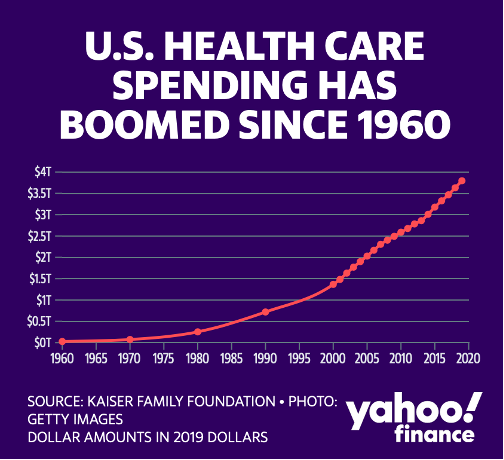
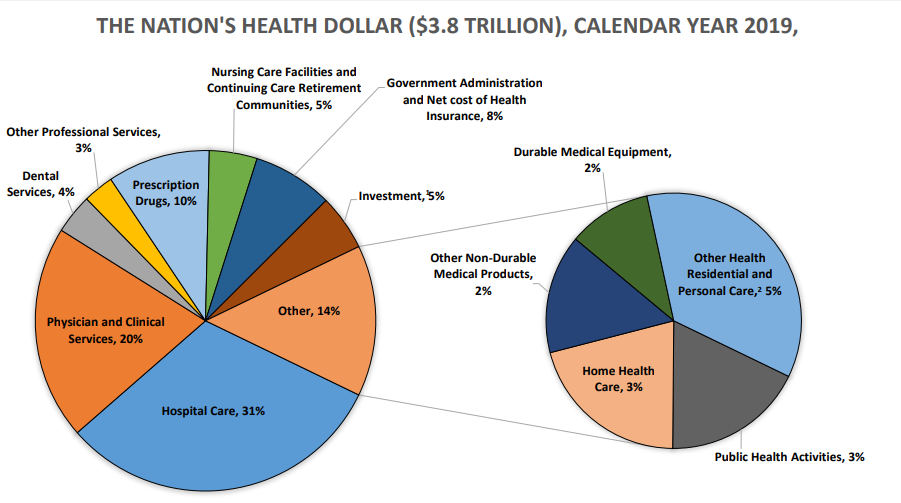
In 2019, the US spent $3.8T on healthcare, or about 20% of GDP. As seen below, the three largest components of healthcare spending, in order, are Hospital Care (31%), Physician/Clinical Services (20%) and Prescription Drugs (10%). Combined, these three categories make up over 60% of healthcare spending. Yet, politicians have smeared prescription drugs as the culprit, overlooking the LARGEST category: hospitals.

Figure 1:

There is also a false narrative that the price of prescription drugs has risen significantly in recent years. Sure, you may find headlines of absurd price hikes (such as Martin Shkrelli’s daraprim and others here). These examples, however, do not make the majority. They are the few cases that make the news. Reality is different.

A presentation given by the Massachusetts Health Policy Commission validates this fallacy by policy makers to overlook or blatantly misrepresent data.

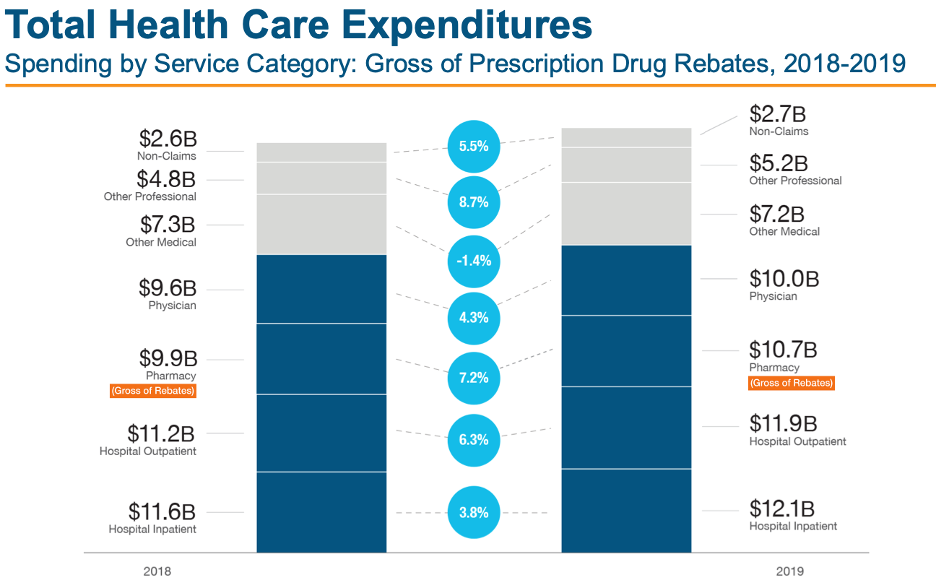
Perception: Prescription Drugs Grew 7.2%

The Massachusetts presentation reports that healthcare costs grew 4.3% to $64 billion in 2019. The “Pharmacy” category, represented by the gross prescription drug rebates, grew 7.2% to $10.7 billion. This was one of the fastest growing expenditures, according to the Massachusetts health commission.

Figure 2:

Understanding The Slight But Important Difference Between Gross & Net Drug Pricing

A drug’s gross price = list price that a pharma company will advertise. The net price = list price – fees, discounts, and rebates. So, the net price is what the pharma company actually keeps, after all the middlemen in the US healthcare system have taken their cut. The much more relevant figure, when it comes to criticizing big pharma, is the net price.

The middlemen in drug pricing add markups to the drugs price, as well as take rebates from the gross price for their own bottom line. These middlemen are primarily wholesalers and pharmacy benefit managers (PMB). Discussing the inefficiencies and added costs are beyond the scope of this article and require an overhaul of the US healthcare system.

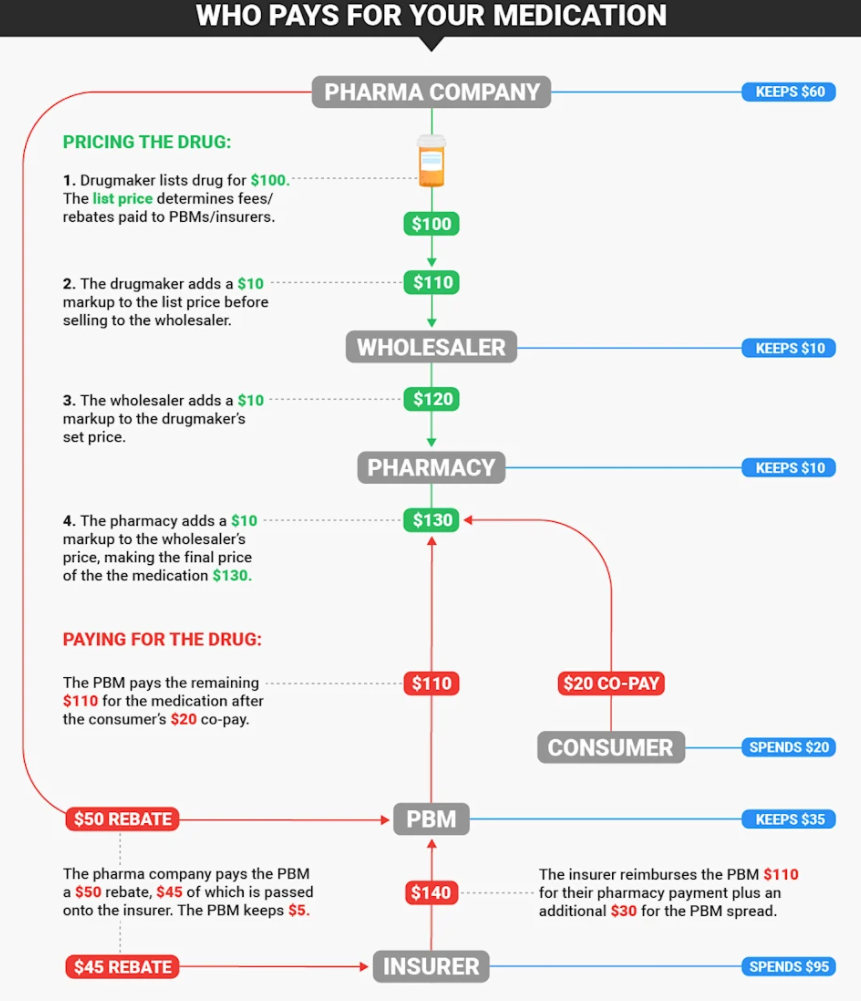
For those interested, below is an explanation of how medication is paid for in the USA.

Figure 3:

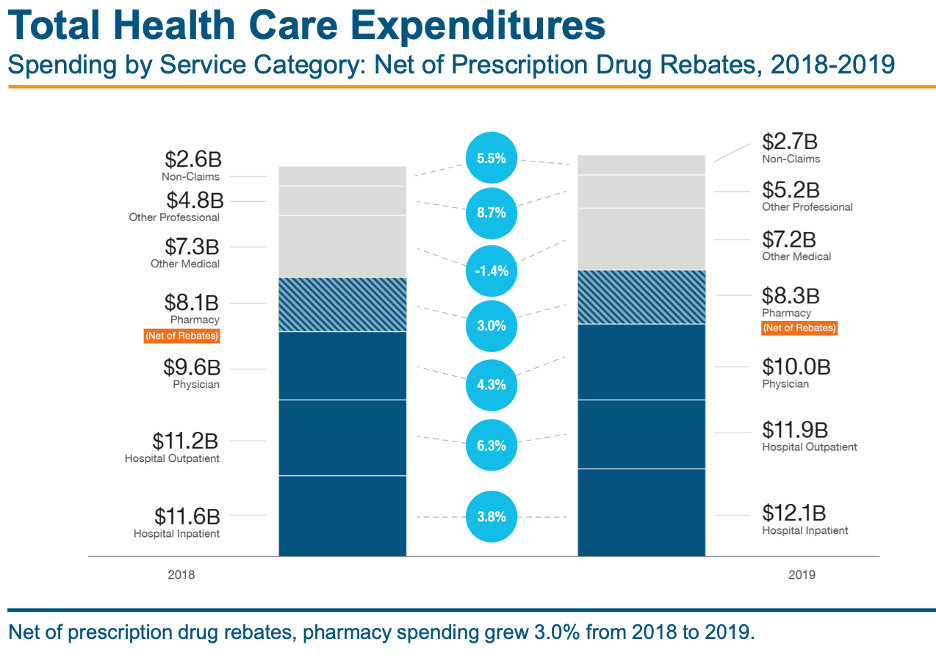
Going back to the Massachusetts presentation: another slide of the presentation shows that net prescription drug rebates are only growing at 3%. So, the net drug spending growth is lower than almost every other aspect of healthcare spending. The 3% net growth figure is significantly lower than the 7.2% gross figure and doesn’t actually paint pharmaceutical companies as evil price gauging corporations.

Figure 4:

Reality: Prescription Drugs Grew 3%

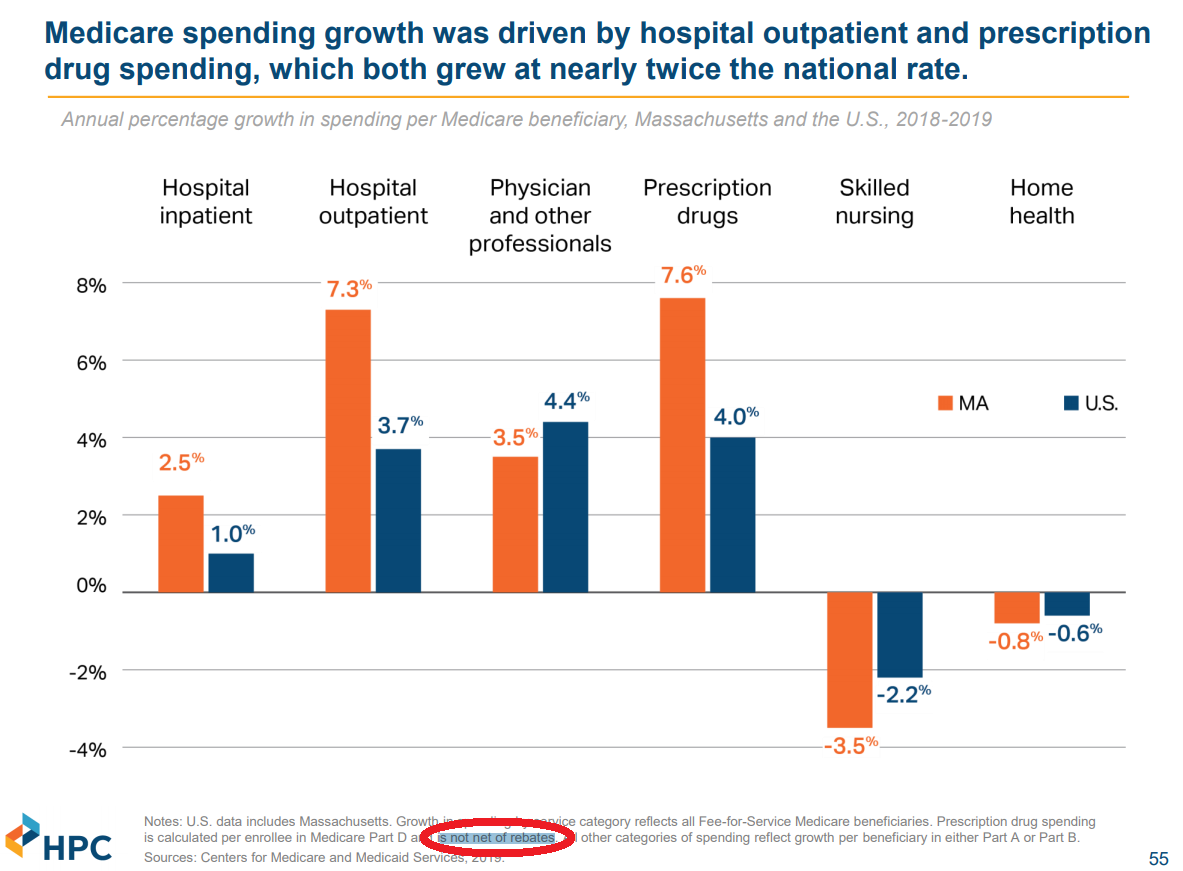
This reality, however, does not align with political campaigns. Someone has to fall on the sword, and in this case, it is pharmaceutical companies. Another slide in the Massachusetts presentation (image below) claims that drug prices have the highest growth and are to blame for increased Medicare spending. However, if you take a closer look at the fine print, it says that prescription drug spending is “not net of rebates”.

Remember, net pricing is what pharmaceutical companies actually keep. The rebates are what the middlemen (wholesalers/PBMs) take.

Figure 5:

Once net rebates are considered, the narrative of healthcare spending changes dramatically and the growth of drug prices are actually reasonable. Though the data above shows that hospital spending has greatly increased, the focus of the Massachusetts presentation is on painting drug pricing as an out-of-control cost. This is misleading and deceiving.

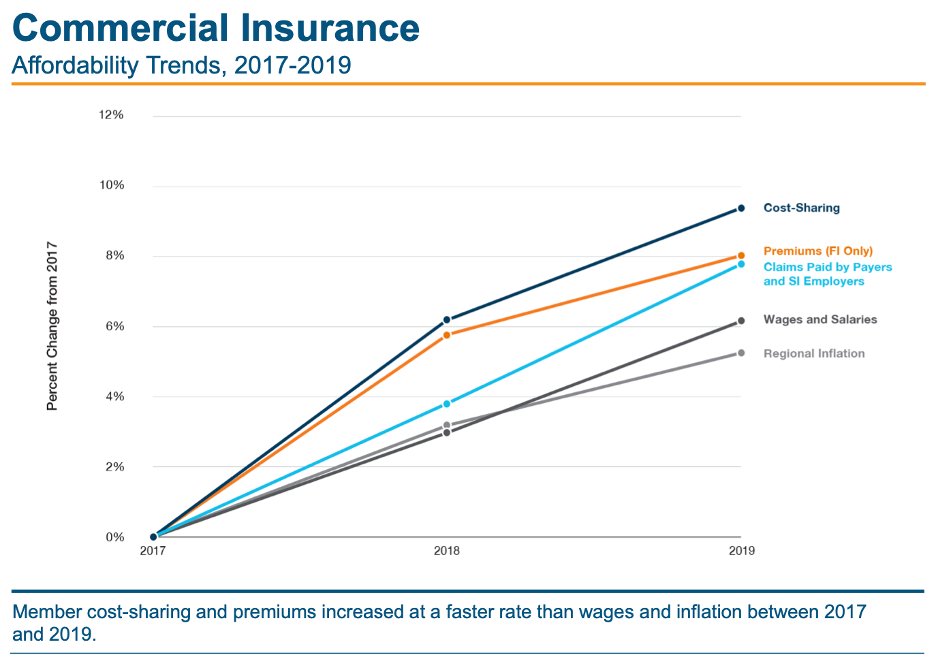
What should have been highlighted is the increase in insurance premiums compared to wages (image below). Wage growth (6%) is falling behind health insurance premium growth (8%). This leads to rising out of pocket (OOP) costs for patients and less affordability.

Figure 6:

Where is Rise of Healthcare Cost Coming From?

Given the data shown in this presentation, one might ask; if not from drug prices, where are these increases in healthcare prices coming from? The answer is hospital outpatient. As shown in Figures 2,4,5 above, hospital outpatient growth is 7.3%.

The outpatient department is the part of a hospital designed for those who visit the hospital but do not require a bed. Think of outpatient as same day services, diagnostic tests, and minor surgical procedures.

The Political Solution Will Limit Innovation & Destroy Value

To solve the misdiagnosed “drug pricing” issue, politicians are contemplating placing pricing limits on pharmaceutical products. This will ultimately hinder innovation and have adverse repercussions on the healthcare system.

It is important to understand how drug discovery and development works. Drug development, from start to finish, takes on average of 10 years. Pharma companies invest around $1 billion dollars to study the drug and get it through the FDA approval process. During this decade long journey, the companies do not make any revenues from the drug. They start seeing a return on their investment when the drug makes it to market.

Limits on drug pricing creates a smaller reward and diminishes the incentive system for drug investment. This results in less innovation and drug development. Ultimately, the ripple effect will spread to greater hospitalizations.

Drugs, in many cases prevent people from being hospitalized which saves overall healthcare costs. If US officials decide to put price controls on pharma, this will halt innovation. Rather than putting the blame on pharma, who formulate drugs to help keep patients out of hospitals, a more efficient solution would be to make sure all drugs become generic. They meet the same requirements in regard to quality and efficacy, at a fraction of the cost of brand name.

Though the data above shows that hospital spending has greatly increased, the political focus remains on prescription drugs. While drugs do make up 10% of healthcare spending, they are not solely responsible for the dramatic increases. When net prescriptions, rather than gross are taken into account, drug pricing is actually not to blame. It is time politicians start prioritizing the data over their political agenda.