Select Page
Moderna and Pfizer Challenge the Status Quo with New mRNA Vaccine Approach

Moderna and Pfizer Challenge the Status Quo with New mRNA Vaccine Approach

Moderna and Pfizer Challenge the Status Quo with New mRNA Vaccine Approach

November 23, 2020 

  • Until now, the majority of vaccines have been developed using a conventional method of stimulating the body’s immune response
  • Moderna and Pfizer are the first to use mRNA technology to develop a vaccine against COVID
  • Both companies have shown >95% efficacy for their vaccine candidates in phase 3, with trials still ongoing

Things are finally starting to look up as biotechnology company, Moderna, found a 94.5% efficacy of their vaccine candidate against COVID. The phase 3 trial of mRNA-1273 is still ongoing but the company plans to file for Emergency Use Authorization (EUA) in the USA. Pharmaceutical company, Pfizer, also came out with data regarding their drug candidate and similarly found >95% efficacy.

Both companies are the first to use mRNA technology to develop a COVID vaccines, whereas traditional ones use weakened or inactive forms of the disease. While vaccines in the past have taken years to develop, Moderna and Pfizer were able to do so within months. The question is whether their success can be chalked up to this new technology?

Vaccine Technologies Have Remained Unchanged Until Now

The body itself acts as a particularly good defense against most pathogens. Physical barriers like skin and mucous membranes physically protect against germs entering the body. However, in the event that a pathogen does enter, the body’s immune system is triggered and attacks. Parts of the pathogen, called antigens, are recognized by the immune system as foreign, and lead to the production of antibodies.

In the event that the pathogen is encountered again, the body has already developed memory antibodies. They recognize and remember the pathogen and are thus able to mount an immune response that is even quicker and stronger than the first (memory response).

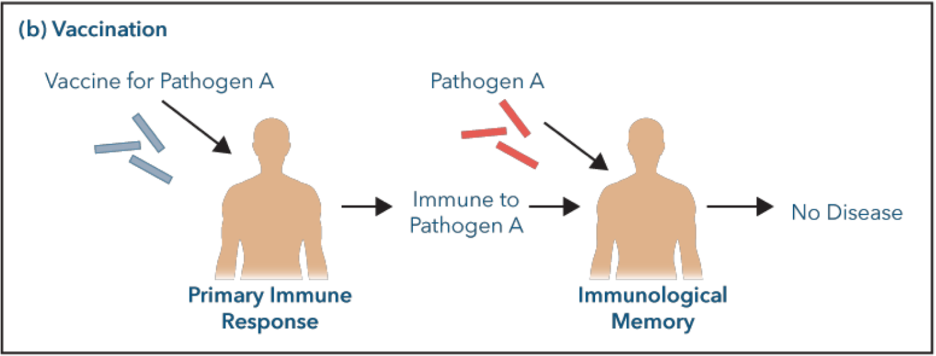
Conventional vaccines essentially work by mimicking the body’s natural response to a pathogen. Their goal is to prevent disease by deliberately exposing the immune system to a non-pathogenic or inactive form of the disease. Patients are injected with a small dose of the virus to “prepare” the immune system. In response, the immune system will create antibodies to fight off the foreign virus injected by the vaccine and thus, create a memory response the first time a pathogen is encountered. This way, the second time that same virus is encountered, the immune system will have natural immunity (see image below).
This has been the main method of vaccine development for the past several decades. It is a difficult and lengthy process with several steps involved. The vaccine needs to be developed, undergo pre-clinical and clinical testing, approval, manufacturing and control once out on the market. This whole process is very tedious and usually takes several years to complete. Though all vaccines come with potential side effects, this method has been the most widely used and accepted.

Many companies, like AstraZeneca, used this same mechanism to attempt developing a COVID vaccine but were faced with safety concerns along the way. Moderna and Pfizer were two pilot companies to challenge the status quo and attempt a COVID vaccine using mRNA.

mRNA Basics

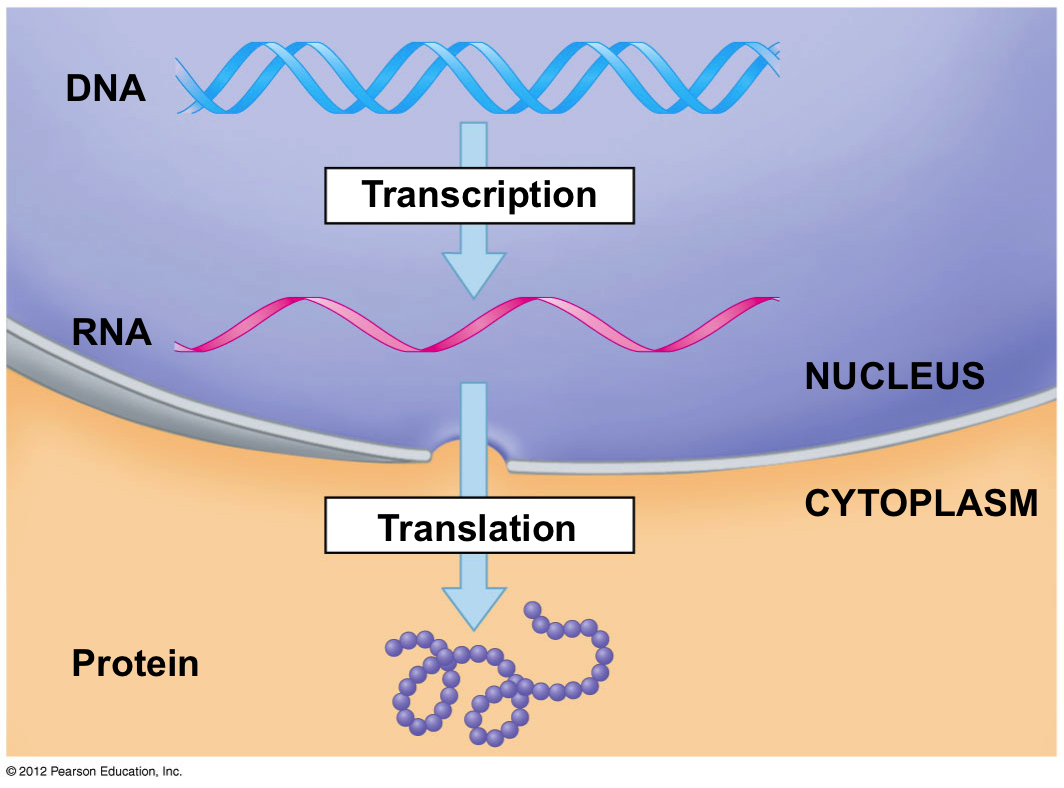
Messenger RNA (mRNA) is a type of RNA that contains the information cells need to make certain proteins. Cells use RNA to make proteins whose functions are to build and repair things in the body, just to name a few. Scientists manipulated this process and used it to develop a COVID vaccine.

Think of it this way: DNA is the “instruction manual” and mRNA is the messenger that takes a replicated copy of those instructions to the location in the cell where the “workers” are. The workers use the instructions to create the protein, which is used as a defense against foreign objects.
Importance of Spike Proteins Found on COVID

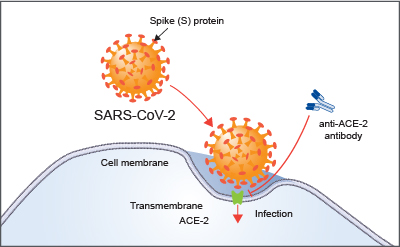
SARS-Cov-2, the virus that causes COVID-19, contains spike proteins on its surface. These spike proteins bind to human cells to penetrate, enter, and infect the healthy cells of individuals (see image below). Although humans themselves do not have spike proteins, they are able to detect them and block this binding process with antibodies. Creating these antibodies is the objective of a vaccine, which we discuss next.
The Vaccine Process

To start the development process of the vaccine, scientists had to isolate the virus from an infected individual. It was then sequenced (similar to getting a word for word write-up of the genetic information of the virus) and kept in a public database. Since spike proteins are part of the virus, their exact sequence was included. This made creating synthetic spike protein “instructions” a possibility.

The idea behind Moderna and Pfizer’s mRNA vaccines was to replicate the sequence (instructions) of the spike proteins into synthetic mRNA and inject this into humans through a vaccine. That way, the body would recognize the injected mRNA and cells would generate a small amount of spike protein. Recall that although humans do not have spike proteins, they are able to recognize them. Therefore, the body’s immune system would detect the spike proteins and build immunity against them.
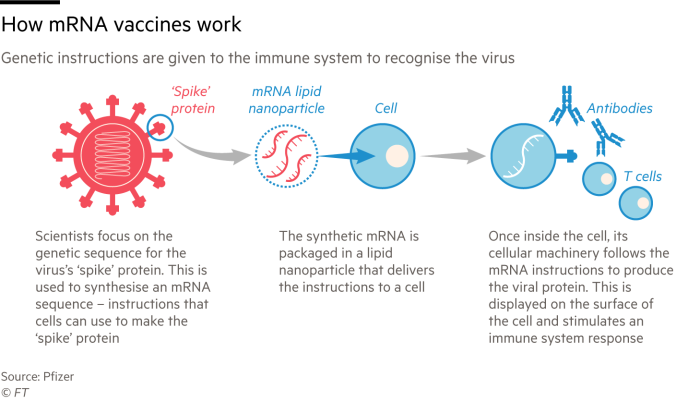
That is in essence, the function of a vaccine. To produce a strong and quick memory response prior to natural infection. The Moderna and Pfizer vaccine do just that. They prime the immune system with just enough synthetic mRNA-generated spike proteins so that protective antibodies are made. This way, if an immunized individual becomes infected with COVID, they will have a much stronger and quicker response.

The benefits of mRNA vaccines seem to far outweigh those of conventional vaccines for multiple reasons:

Efficacy: They shown to be over 95% efficacious for both companies with minimal safety concerns reported to date.

Production time: mRNA vaccines can also be produced in a fraction of the time, a major key when faced with a global pandemic. Unlike conventional vaccines that take years to develop, Moderna and Pfizer were able to make theirs in a span of months. This is because

Production safety: Traditional vaccines involve producing and collecting a large quantity of virus and subsequently growing and manipulating it in the lab. An weakened or inactive version of the virus is injected into the body. This process is time consuming and can be hazardous. For mRNA vaccines, you do not need to make the virus to make the vaccine. Instead, information about the virus (ie. its sequence) is used, replicated and administered into the patient using synthetic mRNA.

All of these beneficial aspects of mRNA vaccines can potentially make it a breakthrough during the COVID pandemic and for future disease outbreaks. Since both mRNA vaccines for Moderna and Pfizer were made in a short period of time and phase 3 trials are still ongoing, there is a need for more substantial data.

Questions regarding the long-term safety of the vaccines remain and are at the forefront of everyone’s mind. There is also a question of protection duration provided by the vaccines. Once antibodies against spike proteins are made, do they last indefinitely? Or do they dwindle down months later? Only time will tell.

Drug Approval of Aducanumab for Alzheimer’s Gets Shut Down by AdCom, Now the FDA Must Decide

Drug Approval of Aducanumab for Alzheimer’s Gets Shut Down by AdCom, Now the FDA Must Decide

Drug Approval of Aducanumab for Alzheimer’s Gets Shut Down by AdCom, Now the FDA Must Decide 

November 10th, 2020

  • Biotech company, Biogen, was put under the knife regarding their drug aducanumab for the treatment of Alzheimer’s disease (AD)
  • The FDA organized a meeting with an AdCom to discuss the data presented by Biogen where the AdCom voted against the drug for AD
  • Biogen now waits for final decision by FDA in March 2021

Biogen’s aducanumab has the potential to be the first approved drug able to slow the progression of Alzheimer’s disease (AD). Read about the FDA’s process for controversial drugs such as aducanumab.

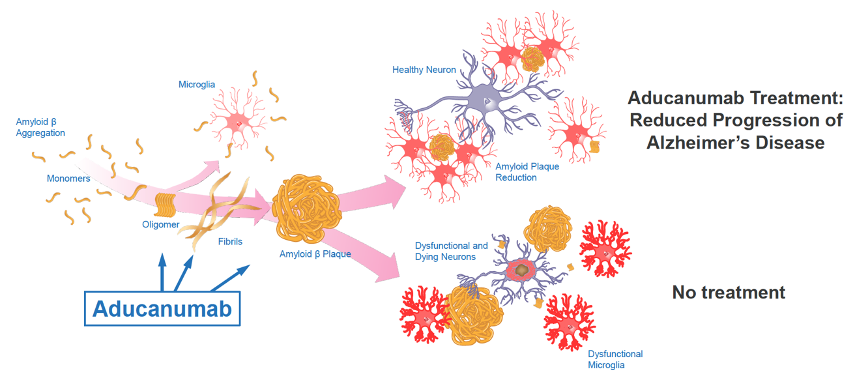
AD is a debilitating neurological disorder that progresses into mood changes, distorted thinking and is the main cause of dementia. It eventually leaves those affected with the inability to live independently, unable to perform the simplest of tasks. The idea behind the disease is that a protein called beta amyloid abnormally forms plaques around brain cells while another protein, tau, tangles itself within brain cells. AD, along with other dementia diseases, affects more than 40 million people worldwide with no cure to date.

Currently, the main focus of treatment is on maintaining the symptoms of the disease using cholinesterase inhibitor drugs such as Razadyne and Aricept. Their exact mechanisms of action towards treating AD are unclear but research suggests that they inhibit the breakdown of acetylcholine, an important chemical in the brain related to learning and memory.

Biogen Submits Application for FDA Approval with Subpar Data

Biogen’s goal was to develop aducanumab for the treatment of AD and get FDA approval for market. It is a monoclonal antibody that binds to and eliminates beta amyloid plaques in the brain. AD is one of the largest and fastest growing diseases in the US so if aducanumab gets approved, it could transform the AD space and become one of the best-selling drugs with revenues greater than $10 billion annually.

In order for a drug to get approval for market sale in the US, companies need to show safety and efficacy data from their clinical trials. They must submit an application to the FDA with data from two large and well-controlled clinical trials. Biogen submitted this information, their EMERGE and ENGAGE studies, regarding aducanumab to the FDA. The data from EMERGE showed promising results however, data from ENGAGE failed.

After the failed data had come out, Biogen re-evaluated and announced that if interpreted a certain way, ENGAGE does, in fact, show meaningful results. This is called a post-hoc analysis.

Post-hoc analysis reaches conclusions after the data has been seen. It is usually risky and rarely endorsed by the FDA. It can be useful for researchers to come up with hypotheses for future studies but not to come up with conclusions on a present study. This is why the FDA looks for endpoints defined before the commencement of the study. It ensures there is no bias or data dredging (exploiting the data to identify conclusions that can be presented as statistically significant).

Nonetheless, Biogen decided to use post-hoc analysis, move ahead and submit their drug for approval by the FDA.

What is an AdCom & Why Did Aducanumab Need One?

The FDA has advisory committees (called AdComs) which are groups of experts that consist of scientists, researchers, and patient representatives, just to name a few. They can organize a meeting at any time during the drug review process or whenever the FDA is seeking extra advice or recommendations. They review company applications and give independent advice to the FDA regarding the data. Generally, the FDA will call upon an AdCom when the case is not clear cut. In Biogen’s case, aducanumab had mixed results, but it is targeting an indication that has not seen a breakthrough in decades. The need for a treatment is dire.

It is important to note that even with an AdCom recommendation, it is the FDA who has the final say on whether the drug is approved or not. Sometimes, the FDA will go against the AdCom recommendation.

The FDA released a long 343 page document in which FDA scientists seemed to validate the aducanumab data, claiming the results being “highly persuasive” and demonstrating the “effectiveness of aducanumab” (page 57). Since the submission for aducanumab contained difficult data to interpret, with altered analyses, the FDA saw fit to round up an AdCom for further advise on the drug. The meeting was scheduled for Friday, November the 6th, two days after the positive briefing documents were released.

Tensions were high leading up to the day because if aducanumab gets approval as therapy for AD, it would become a multibillion-dollar drug. Even if associated with certain adverse events and only a proportion of those with AD were treated with aducanumab, it would still be seen as a golden ticket. The amount of people suffering and the lack of any current therapies to slow the disease progression would make aducanumab a blockbuster drug.

However, once the members of the AdCom came together, the overwhelming majority of the vote was against the efficacy of aducanumab for AD. In fact, 10/11 panel experts voted “NO” to the lone successful study being strong enough evidence of aducanumab effectiveness.

Though the FDA originally seemed in favor of aducanumab and now the AdCom is against it, it is still unclear whether it will be approved or not. Recall that the AdCom is just a recommendation and that the final decision will be left to the FDA. The FDA’s final decision date (called “PDUFA”) has been scheduled for March 7, 2021.

History Shows That Not All Hope Is Lost Post Negative AdCom

A similar situation was seen in 2016 with drug development company, Sarepta. Their drug, eteplirsen was developed for the treatment of Duchenne muscular dystrophy (DMD), a fatal muscle degenerative disease. Similar to AD, there was an urgent need for therapy against the disease. An AdCom meeting was organized and the panelists voted against eteplirsen for the treatment of DMD. The FDA made the final decision on September 19th, 2016 to approve eteplirsen as the first drug able to treat DMD. Exondys 51, the commercial name for eteplirsen, is on pace to do $450M in sales for 2020.

As you can see, the decision to approve a drug for market sale is not easy. There are years of research and contemplating involved. Although an AdCom is very beneficial as they provide expert advice on the data, ultimately, the final decision is left up to the FDA. As seen in the DMD example, the AdCom voted against eteplirsen but in the end, the FDA decided in favour of its approval. The question now is how the data given by Biogen and the recommendation provided by the AdCom will alter the decision of the FDA towards the approval or disproval of aducanumab. Judgment day is scheduled for March 2021.

Technologies Making 100th Birthday A Normality

Technologies Making 100th Birthday A Normality

Technologies Making 100th Birthday a Normality

November 9th, 2020

  • The advancements in gene sequencing, gene editing and artificial intelligence are driving the longevity of lifespan
  • Next-gen approaches are identifying illnesses sooner to improve treatment and increase survival rates
  • Although research such as gene therapy is still in early clinical stages, there is a cause for excitement

There has been a growing interest in the possibility of slowing aging, with some scientists even claiming there might be a way to reverse it.

Here we are going to discuss the latest in aging news, where the science stands now and what the future holds.

Reversing aging consists of more than just looking young. Aging is a multifactorial process that involves the degeneration of cells, weakening of muscles and decreasing efficiency of the heart, bones and metabolism. It is accompanied by an increase in undesirable conditions such as cancer and heart disease, just to name a few. The goal is to find methods that can extend the longevity of humans and a large part of that is rooted in identifying and treating illnesses as early as possible.

What is Gene Sequencing

Gene sequencing identifies high risk markers that could predict incoming illness. As we know, DNA is the hereditary material that humans are made of. It is a long chain of molecules that form our genes. Scientific techniques developed over the years have the ability to essentially read our DNA like a book and discover parts that signify disease. It has the ability to reveal genetic disorders or disease predispositions allowing the patient to seek personalized and preventative care, possibly years before the disease develops. For example, it has been found that those with a genetic variant of gene apolipoprotein E (APOE), specifically APOE4, are at an increased risk of developing Alzheimer’s disease.

Researchers at NIH have developed the Cancer Genome Atlas Program where they have been using gene sequencing to characterize a number of cancers. A technique called liquid biopsy is able to identify cancer DNA in the blood which might have been otherwise undetected. This is incredibly significant as it is well known that identifying a cancer as soon as possible is a key factor in its treatment and cost.

Pharma Companies Utilizing Gene Sequencing for Disease Targeting Aging

For years, the focus of cancer therapy was on tracking the progression of the disease, once detected, and its response to treatment. The focus has now been shifted to detecting the disease as early as possible. Though it is a new and growing area of research, several pharma companies have already been working on it, and some shown promising results.

One such company gaining a lot of traction is GRAIL, whose simple blood test is able to screen for over 50 types of cancers at early stages, with over 90% accuracy of its location in the body. GRAIL touts that cancer diagnosed at earlier stages can lead to survival rates 5-10x higher than late stage diagnosis.

Another company, Freenome, is using a similar approach, and is focused on identifying colorectal cancer. The company studies thousands of cancer-positive blood samples, and learns which biomarker patterns signify a cancer’s stage, type, and most effective treatment pathways. The company is currently running a 14,000-participant trial (called PREEMPT CRC clinical study) to collect blood samples from those undergoing standard-of-care screening colonoscopies. 

CRISPR Gene Editing 

CRISPR is a key player in the longevity research roster. To explain it as simply as possible, CRISPR acts a pair of scissors able to cut out mutated genes and insert desirable ones. It is a ground-breaking and revolutionary way of editing genes that essentially allows scientists to “rewrite” the code of life.

One way CRISPR is being used for gene editing is by engineering the body’s own T cells. This way, the patient’s own immune system is being reconditioned to attack diseased cells (for more information about T cells and the immune system, read LifeScite’s NK Cells for Dummies: Understanding the Next Cancer Paradigm and NK Cells: Oncology’s Next Big Wave). This concept was already being tested in a phase 1 clinical trial of three patients with advanced, refractory cancer. Although the sample size was small and ongoing research is necessary, the trial found that the engineered T cells were present in the tumor locations of all three patients with no observed toxicities.

CRISPR Therapeutics is currently running several trials targeting hemoglobinopathies (sickle cell disease) and oncology (blood cancers for now).

Artificial Intelligence

Another major contributor is artificial intelligence (AI). Now that there is an extensive network of patient information from all the sequencing and imaging tools developed over the years, AI is the only way that is able to interpret the abundance.

One company, Insilico Medicine, is using AI to discover drug compounds focused on slowing down aging at the cellular level. Senescent cells are ones that have stopped dividing, and thus reproducing, though they are still able to function. It is thought that an accumulation of these cells is correlated with the onset of disease. Insilico plans to use AI mechanisms to find therapeutic targets and molecules that are aimed at senescent cells. Its partner company, Taisho, will then validate these molecules in the lab and clinic.

Insilico has worked to develop what it calls “deep aging clocks,” a set of biomarkers identified by neural networks that allow for a more refined picture of a person’s cellular age, compared to the simple number of their trips around the sun. Potential applications of Deep Aging Clocks in the pharmaceutical industry includes, but not limited to; age personalized treatments, mortality prediction, preventative medicine, dementia screening/staging. See more potential applications below.

So far, the idea of extending the average lifespan is gaining more traction. Several mechanisms of doing so are mentioned above, but many more are being developed as we speak. We are still in the early innings of aging research.

Study Shows Intermittent Fasting Did Not Reduce Weight More Than Regular Eating

Study Shows Intermittent Fasting Did Not Reduce Weight More Than Regular Eating

Study Shows Intermittent Fasting Did Not Reduce Weight More Than Regular Eating

October 23rd, 2020

  • A 12-week study compared the weight loss of two groups; 1 group fasted for 16 hours of the day, while the other group ate throughout the day without time restrictions
  • The clinical trial included 141 adults, the largest randomized, controlled study for intermittent fasting
  • Intermittent fasting did not statistically improve weight loss (or other body composition measurements) compared to normal eating

Intermittent fasting, also referred to as time restricted eating (TRE), has recently gained traction as an easy and effective way to lose weight. It consists of eating within a restricted time frame and fasting for several hours in between. However, most of the benefits associated with it are anecdotal, and are not based on research that involves a control arm.

Side note: The most conclusive clinical trials include design protocols with a control arm, randomization, and a large enough sample set. Unlike the majority of other fasting trials that lack these designs, this study included all of these protocols.

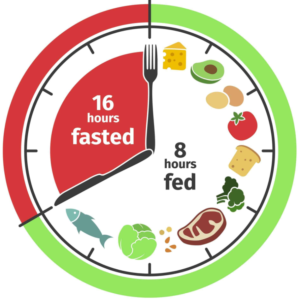
A randomized clinical trial conducted by a group in California was testing the effects of TRE on weight and other metabolic parameters in overweight and obese individuals. They hypothesized that those restricted to an 8-hour eating period (image below) would lose weight and improve other metabolic parameters as compared to those eating 3 meals a day without timing restrictions, also referred to as consistent meal timing (CMT).

A total of 141 participants were randomized between the two interventions (TRE or CMT) and 105 completed the entire protocol. The study lasted 12 weeks (~3 months). The TRE group was not told what or how much to eat, they were only restricted to the time of eating. Between 12:00 PM to 8:00 PM, they were allowed to eat to their desire. Then from 8:00 PM until 12:00 PM the following day, they were instructed to fast. The only thing permitted during their fasting hours were non-caloric beverages.

What the Data Showed:

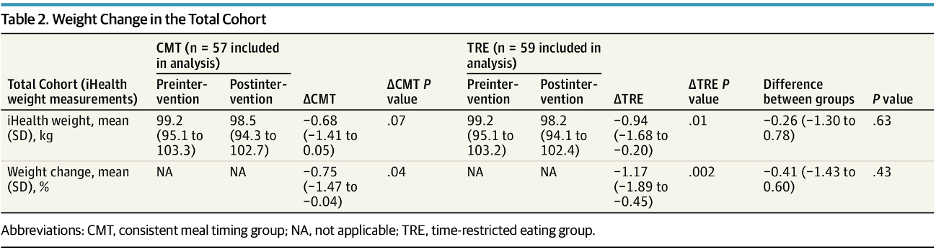
In the consistent meal timing (CMT) arm, participants lost an average of 0.68Kg over the 12-week period, equivalent to 0.75% decline in body weight. In the time restricted eating (TRE) arm, participants lost an average 0.94Kg, or approximately 1.17% decline in body weight. See table below.

Comparing the difference between the two groups (0.94kg – 0.68kg = 0.26kg), the p-value was 0.63. This denotes that the difference is not a statistically significant change, and thus can be a result of chance. In simple terms, time restricted eating did not cause the drop in weight and was no different than consistent meal eating.

It was also found that there was no significant change in the body fat mass in the TRE or CMT group. There was a decrease in lean mass and total energy expenditure but no change in respiratory quotient, resting metabolic rate, fasting glucose, fasting insulin, triglycerides, LDL, HDL or total cholesterol.

In short, in this study, TRE did not statistically improve any body composition measurements.

Arguments can be made that a 12-week time period may not be adequate to see the lasting metabolic effects. A longer-term study, say 24-weeks, could be more telling on how the body will be rewired during a metabolic change. Additionally, a further limitation of this study can be that the amount of food was not restricted, only the timing was. Calories in & out is still an important feature of any diet plan. 

TRE Led To Lean Mass Loss, More Than Fat Loss

It is important to mention the results found regarding lean mass. A proportion of the participants (n=50) in the California study were tested in person, while the remainder of them recorded their data using a custom app.

Of the ones that went in person, there was an average weight loss of 1.70 kg. Of this total weight, 1.10 kg was lean mass while the remaining weight was fat mass. Usually, 20-30% of weight loss is lean mass so the 1.10 kg of lean mass lost was far more than that (~65%).

It has been seen that calorie and protein intake is reduced with a TRE diet. This can be a problem for those with sarcopenia (degenerative muscle loss) or even those who are trying to maintain their muscle mass while losing weight as there is a well-defined relationship between protein intake and muscle mass.

Thus, it is important to maintain a high protein diet while intermittent fasting to avoid the loss in lean mass.

Other Studies Reached Different Conclusions

Results found in this study were inconsistent with other reports claiming that TRE is beneficial for weight loss and other metabolic parameters.

One study by Jamshed et al., found that TRE improves glucose levels as well as secondary markers like sleep and aging.

Another study showed that TRE lead to a 3% decrease in weight and also improved cardiovascular health. However, it is important to note that the sample size in this study was small (n=19) and no control group was included.

A third study showed that 4 and 6 hour TRE reduced daily intake by 550 calories and led to statistically significant weight loss (3% decline in body weight) over 8 weeks. This was a randomized, controlled study that collected data from 58 participants.

Conclusions to Make

Overall, intermittent fasting is an appealing, fuss-free weight loss alternative. It provides individuals with the freedom to eat as desired, as long as feeding is conserved to restricted hours. Based on the results in this study, there were limited changes between the TRE and CMT groups. Weight loss was not any greater in the TRE group in comparison, and insignificant changes were seen in other metabolic parameters such as fasting glucose and insulin or blood lipids and cholesterol.

This study showed that TRE did not result in substantial weight loss when compared to the CMT group. Also, although protein intake amongst participants was not directly measured in this study, the loss of lean mass seen suggests that protein levels are lowered in a TRE diet.

In the absence of other interventions such as reduced caloric intake, timing of fasting hours (early vs late) or increased levels of protein, TRE has not shown to be a more effective option of losing weight. It would be of interest to future studies to further explore the relationship between these interventions alongside TRE for weight loss.

NK Cells: Oncology’s Next Big Wave

NK Cells: Oncology’s Next Big Wave

NK Cells: Oncology’s Next Big Wave

October 18th, 2020

Key Points:

  • Although two CAR-T therapies have received FDA approval, shortcomings limit their usability in a real-life setting
  • Allogeneic “off-the-shelf” CAR-T approaches also face two main hurdles: GvHD and graft rejection
  • NK therapies, including engagers and CAR-NK, have seen a recent spike in interest due to their superior safety potential and broad manufacturing capabilities
  • Next-gen cell therapy approaches are discussed, include allogeneic CAR-T & CAR-NK, NK cell engagers and the different NK cell sources

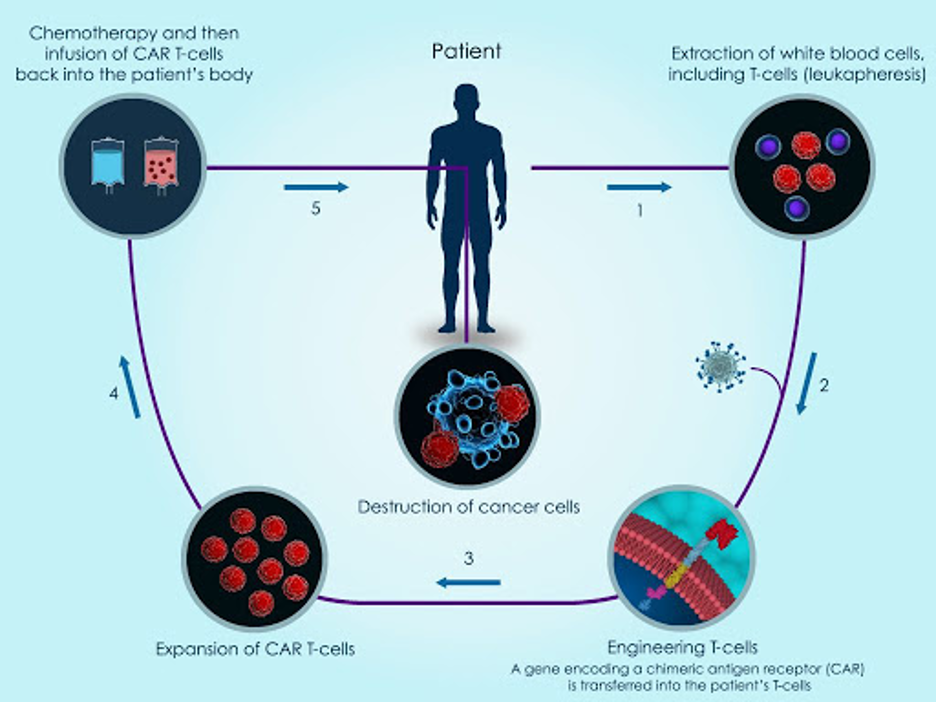
For several years, chimeric antigen receptor T-cell (CAR-T) therapy has been the topic of discussion as the next-gen treatment for oncology. CAR-T works by using T cells from the patient’s own blood, referred to as “autologous cells”. The T cells are collected, genetically modified and multiplied, and then re-injected back into the patient (see image below).

The idea behind CAR-T cells is that a synthetic receptor is attached to the T cells and when this receptor comes into contact with the antigen of an infected cell, intracellular domains activate the cytotoxicity of the T cell. In simple terms, T cells are genetically modified and enhanced to better detect cancer cells when they are reinjected back into the body.

CAR-T Shortcomings Limit Usability in Real Life Setting

Two CAR-T cell therapies have been approved by the FDA, both showing promising results. However, they come with their own set of challenges. Most people suffering with cancer, who could benefit from the therapy, are not receiving it. This is because it involves a lengthy manufacturing process with a high cost profile and could have potentially severe side effects.

Allogeneic Approach Has Answers to Existing CAR-T Limitations, But Other Issues Arise

To make CAR-T more accessible to those in need, researchers are using T cells extracted from a third-party donor (called “allogeneic”). This off-the-shelf concept is similar to the autologous method discussed above but allows for the cells to be easily accessible in the hospital setting. This way, large proportions of pre-engineered cells can be preserved for use when needed and one donor’s T cells can be administered to several patients, thus lowering the manufacturing costs and time.

There are two main hurdles with the off-the-shelf approach:

  1. Graft-versus-host disease (GvHD) – Occurs when the donor T cells view the patient’s cells as foreign and attack them, causing serious or fatal side effects.
  2. Graft rejection – Graft rejection is the opposite process. The patient’s own immune system detects the donor T cells as foreign and rapidly eliminates them, thereby limiting their anti-tumor activity.

Modifications Helping with Allogeneic CAR-T Hurdles

Cellectis and Allogene are two companies making off-the-shelf CAR-T cells genetically engineered to avoid GvHD and graft rejection. Using Cellectis’ gene editing technology, Allogene makes two modifications:

  1. Eliminate functional T cell receptors (TCRs) that prevent the CAR-T cell from recognizing a patient’s normal tissue cells as foreign. Without these TCRs, the CAR-T cells cannot bind to healthy cells found in the patient. This is meant to improve safety and limit the risk of GvHD.
  2. Knocks out the CD52 surface protein on the CAR-T cells. In addition, Allogene uses their own anti-CD52 monoclonal antibody to suppress the host immune system from recognizing CD52 on the surface of foreign CAR-T cells. Without CD52 on CAR-T & use of anti-CD52 antibody, Allogene believes that the CAR-T & patient immune system will not be attacking each other. Instead, both will work together to attack the tumor cells.

See a visual representation of the two modifications Allogene has made to control GvHD & graft rejection (below). So far in early Phase 1 studies, Allogene has not reported any cases of GvHD or graft rejection in 22 patients.

The NK Cell Approach to Treating Cancer

The above-mentioned CAR-T limitations have sparked a recent interest in NK cells as an alternate treatment approach.  Early studies were focused on infusing non-targeted endogenous NK cells back into patients (non-targeted NK cells do not have any antibodies or modifications). This resulted in a lack of tumor recognition by autologous NK cells. Therefore, it was determined that a combination of NK cells + target therapies was needed.

Side Note: What differentiates NK cells from their lymphocytic counterpart T cells is their ability to kill cancer cells without sensitization. Yet, when primed with cytokines, the cytotoxic function of NK cells is increased along with their longevity in vivo.

To get a better understanding of NK cells and their basic biology, read LifeScite’s NK Cells for Dummies: Understanding the Next Cancer Paradigm article.

Combinations With NK-Cell Engagers

To improve NK cell antitumor activity, pharma companies are combining antibody targeting agents with NK cells. Affimed recently entered Phase 1 trials that will test a combination of NK cell engager AFM13 with MD Anderson’s off-the-shelf NK cells.

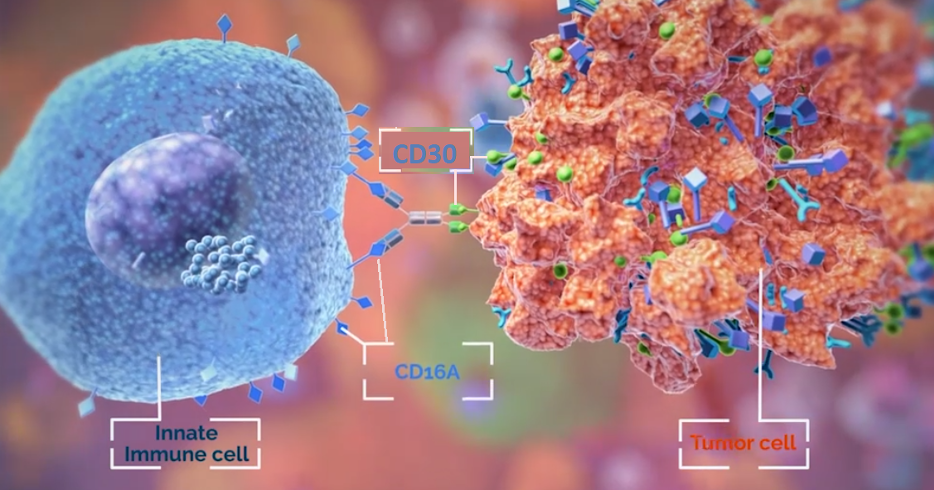
AFM13 is an antibody which binds to CD16A receptor found on NK cells and other innate immune cells like mast cells, macrophages and monocytes. The other end of the antibody will target the CD30 antigen expressed on lymphoma tumor cells (see image below). The hope is that NK cells equipped with better targeting agents will lead to added antitumor activity and therefore superior efficacy.

Similarly, Innate Pharma’s monoclonal antibody monalizumab blocks the checkpoint NKG2A receptor found on NK & certain T cells. By blocking this inhibitory receptor, Innate believes that the cancer fighting cells (NK cells and T cells) will be able to better detect, and bind, the HLA-E receptor found on tumorous cells. The company is advancing their innate checkpoint blocker into a Phase 3 study in combination with cetuximab.

CAR-NK Do Not Share CAR-T Limitations

Similar to CAR-T, CAR-NK cells are genetically equipped with receptors on their surface which seek signs of danger or stress that might indicate a tumor, or a cell infected with a virus. When they find such a cell, NK cells can attack it directly and call T cells to the site to help.

Data thus far shows that CAR-NK cells contain several benefits over their CAR-T cell counterparts:

  1. Superior Safety Profile: CAR-NK cells have a low risk of cytokine release syndrome compared to CAR-T cells because they secrete restricted levels of pro-inflammatory cytokines IFN-γ, IL-1 and IL-6.
  2. Broad Production Potential: Low likelihood of triggering GvHD upon allogeneic infusion means that CAR-NK cells may be prepared as an “off-the-shelf” product and are not restricted to autologous cells.
  3. CAR-NK cells can work in CAR-dependent and CAR-independent manners. (Recall that CAR stands for chimeric antigen receptor.)
    • CAR-dependent: Cancer cells are smart and can make themselves “invisible” to immune cells. The CAR added onto NK cells now gives them the ability to recognize and kill a target on cancer cells that were once “invisible”.
    • CAR-independent: CAR-NK cells also contain native receptors and retain their intrinsic ability to recognize and kill cancer cells independent of CARs. This is because they do not rely on antigen-specific binding to be turned on but rather, can induce a positive or negative signal through binding with ligands on target cells.

NK Cell Sources: Not All NKs Are Equal

NK cells demonstrate promising potential to be prepared as an off-the-shelf product. This, however, requires a donor source where ample, functional NK cells may be harvested. To date, NK cell isolates have most often been extracted from the donor’s peripheral blood (PB-NK cells) or umbilical cord blood (UCB-NK cells).

Obtaining an abundant number of functionally active NK cells from these sources has proven to be difficult. Other and more accessible cell sources include NK-92 cells and stem cell-derived NK cells.

Below is be a breakdown of each of the cell sources.

Peripheral blood (PB-NK cells)

These NK cells are collected from the blood of screened healthy donors. The NK cells (and specific types of T cells) are isolated from the collected blood sample, expanded, and genetically modified with editing technologies like CRISPR to improve persistence and overcome resistance.

Editas Medicine in Cambridge, Massachusetts, is using CRISPR to remove a receptor on NK cells that bind TGF-β — a signaling molecule produced by some tumors that can shut down immune cells. The hope is that removing the receptor will make the CAR-NK cells more potent tumor-killing machines.

Umbilical Cord blood NK Cells (UCB-NK cells) 

NK cells isolated from umbilical cord blood have shown to possess reduced cytotoxicity when compared to peripheral blood derived NK cells. However, the use of umbilical cord blood as a source of NK is also limited in the number of NK cells that can be obtained, when compared to peripheral blood as a source.

A study out of MD Anderson (Rezvani, Liu et al. 2018) collected UCB-NK cells and engineered them with CARs that allowed the innate cells to target the CD19 protein found on select tumor cells. The modified NK cells were also made to express IL-15, a cytokine that activates NK cells, as well as inducible caspase-9 (iC9) as a safety switch. Data (found here) showed early efficacy in several lymphoma cancers and a clean safety profile. This caught the attention of big pharma company Takeda, which licensed the program in late 2019. Takeda estimates that the program can enter pivotal trials in specific refractory lymphoma indications as early as 2021 and have a BLA filing by 2023.

NK Cell Lines 

A specific strand of NK cells called NK-92 are sourced from cancer patients. These withdrawn cells are irradiated so that the cancerous cells are wiped out, and only the functional NK-92 cells remain. After irradiation, NK cell lines are expanded indefinitely, and can be genetically modified to recognize specific antigens found on tumor cells. Various clinical trials with CAR-NK cells use NK92 cell line because of their ability to be expanded indefinitely in vitro and are able to undergo repeated freeze/thaw cycles needed during manufacturing process. This gives NK cell lines ideal features as off-the-shelf products.

However, because NK-92 cells are sourced from a tumor cell line they have several drawbacks including (1) potential tumorigenicity risk (ability to form into tumorous cells) (2) lack of CD16 and NKp44 expression (non-targeted to attack tumors) and (3) loss of in vivo expansion potential due to the irradiation process.

Nantkwest is developing several modified NK-92 cell lines to target cancer. Their t-haNK platform incorporates receptors (CD16, CD19, NKG2D etc.) as well as CAR to target cancer cells and enhance cell killing capabilities.

Stem cell-derived NK cells

Think of human induced pluripotent stem cell (iPSC) as a blank slate. These stem cells can be modified to become 200+ cell types, including NK cells. Stem cell-derived NK cells have the ability to produce unlimited cells for use in the clinic. Their ability to be genetically engineered and unlimited ability to self-renew gives them the potential to generate an infinite number of cells for off-the-shelf CAR-NK cells.

Fate Therapeutics has a pipeline of genetically modified iPSC derived NK cells, that include CD16 to augment antibody therapy, IL-15 to enhance NK cell function, CAR to make NK cells more targeted and CD38 knockout to improve safety. Fate’s iPSC-derived NK cells have shown to be safe and well tolerated in Phase 1 data. Fate signed a collaboration with Johnson & Johnson’s pharmaceutical arm Janssen to build novel off-the-shelf iPSC-derived CAR-NK and CAR-T candidates.

Current State of NK: Early, But Promising

It is clear that NK cells as therapy prove to be a great option for use in the clinic. They provide effective results while overcoming the GvHD associated with their CAR-T counterparts. However, their safety and efficacy has only been shown towards a handful of cancers. The challenge will be seen when solid tumors are targeted. NK cells are still a relatively new concept in the oncology field and thus, should continue to be studied in order to confirm their long-term effects. With the recent big pharma interest, it seems likely that the resources into NK cells will continue pouring in.

NK Cells for Dummies: Understanding the Next Cancer Paradigm

NK Cells for Dummies: Understanding the Next Cancer Paradigm

NK Cells for Dummies: Understanding the Next Cancer Paradigm

October 2nd, 2020

The growing field of NK cell-mediated immunotherapy first started almost two decades ago when it was found to be a safe and effective treatment method for those with advanced-stage leukemia.

Immunotherapy treats disease by stimulating the body’s immune response. The immune system is made of two segments:

  1. innate immunity: non-specific to one antigen, first line of defense that uses natural killer (NK) cells, among others
  2. adaptive immunity: specific to a single antigen, acquired immunity that uses T cells and B cells to invade foreign pathogens

Until very recently, the majority of pharma research was directed towards the adaptive immune system and activating T cells. FDA approved blockbuster therapies (Opdivo, Keytruda, to name a few) followed this line of thinking. In the last few years, NK cell therapies have received a lot of interest. This article will be discussing the fundamentals of NK cells and a follow-on note will focus on NK therapies in development.

NK Cells Share The Same Cancer Killing Features As T Cells

Think of NK cells as a security system for your body that roam around, looking for abnormal cells (ie. tumor or virally infected cells). NK cells are functionally most similar to a type of T cell called CD8+ T cells.

Both NK cells and CD8+ T cells are considered cytotoxic because they are capable of killing infected and cancerous cells. The difference between the two of them is the way in which they carry out this function.

How do NK Cells differentiate normal cells from abnormal cells? 

On their surface, NK cells express inhibitory receptors (that turn off the NK cell) and activating receptors (that turn on the NK cell).

Normal cells in the body display MHC I molecule (inhibitory) as well as activating ligand (stimulatory).  A net balance between inhibition and activation occurs when recognizing a healthy cell. Thus, the NK cell will be kept OFF (no release of cytotoxins = NO killing of normal cell).

Abnormal cells (ie. tumor/virus cells) only display the activating ligands. They will bind to the activating receptors on NK cells and signal it to turn ON, release cytotoxins and KILL the target cell.

How NK Cells Don’t Go into Killing Overdrive

Inhibitory pathways (immune checkpoints) are essential to balance the killing abilities of immune cells. These immune checkpoints maintain self-tolerance and balance the stimulatory pathways to avoid unnecessary damage of normal cells. Issues arise when this negative regulation is affected because immune cells, including NK cells & T cells, lose this “stop” ability. This can lead to an autoimmune disease.

How NK Cells Cooperate with The Adaptive Immune System

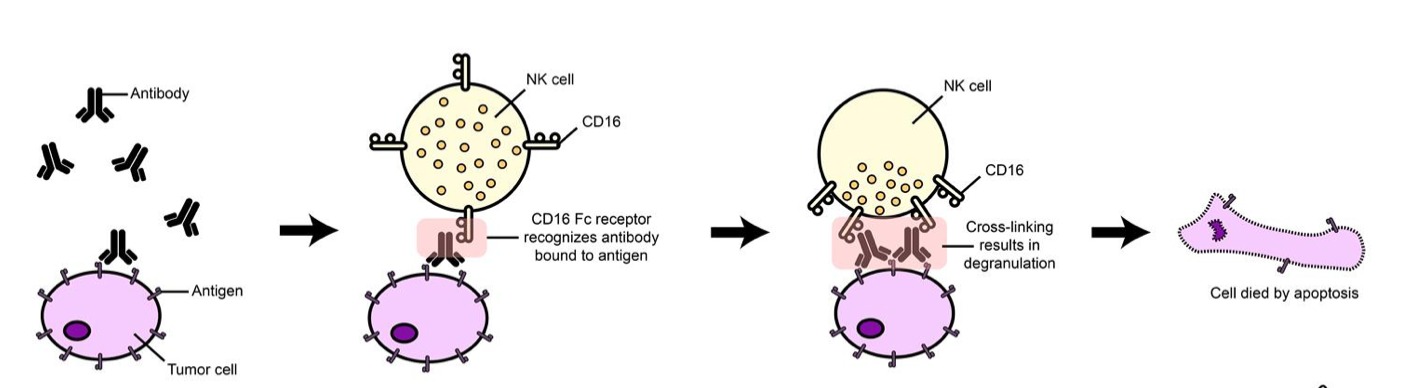
Remember the adaptive immune system includes cancer-killing CD8+ T cells and antibody-producing B cells, among others. Tumor cells express antigens on their surface (see image below). Circulating antibodies of the adaptive immune system (called “IgG”) bind to these antigens and recruit immune cells to the foreign cells.

NK cells are one of the immune cells recruited and this process is called antibody-dependent cell-mediated cytotoxicity (ADCC). The NK cell expresses a receptor called Fc-gamma receptor (FcγR or CD16), which binds to the antibody found on the antigen and leads to its destruction.

NK cells are not defined to one immunity over the other but rather contain functional attributes that pertain to both innate and adaptive immunity. Keep in mind that the methods of NK cell activation mentioned above are an extremely simplified explanation of how NK cells function.

Cancer Cells Can Hide, But for How Much Longer?

Cancer cells are smart and escape detection from the immune system by taking advantage of the immune checkpoints, mentioned above. By increasing their inhibitory ligands that correspond to the inhibitory receptors on immune cells, cancer cells ensure their escape from immune detection.

With T cells, blocking the inhibiting checkpoints with monoclonal antibodies resulted in the blockbuster drugs by Merck (Keytruda) and BMY (Opdivo). PD-L1 is an inhibitory ligand on the surface of cancer cells that binds to PD-1 inhibitory receptors on T cells and inhibits their cytotoxicity. Checkpoint inhibitor drugs use a monoclonal antibody (anti-PD-1) to help T cells restore their ability to detect cancer cells.

A similar approach is being taken with NK cells: targeting inhibitory checkpoints with antibodies in clinical development allows the NK cells to be relieved of inhibition and thus recognize and target cancer cells.